How Long to Cook Chicken Nibbles: Bake, Boil & Air Fry Times
Anyone who’s pulled a tray of chicken wings out of the oven only to find them either burnt or still blubbery on the inside knows the frustration. This guide lays out exact bake, air‑fry, and boil times for chicken nibbles so you can skip the guesswork and serve wings that are safe, tender, and actually worth eating. For a complete look at every timing, see How Long to Cook Chicken Nibbles: Crispy Tips & Times and How Long to Cook Chicken Nibbles: Oven Times & Temp.
Optimal Oven Temperature: 400 °F (200 °C) ·
Standard Baking Time: 40–45 minutes ·
Mean Boiling Time: 30–40 minutes ·
Safe Internal Temperature: 165 °F (74 °C) ·
Air Fryer Cooking Time: 20–25 minutes at 375 °F
Quick snapshot
- Baking at 400 °F (200 °C) for 40–45 minutes is a widely recommended standard (BBC Good Food).
- The USDA requires a safe internal temperature of 165 °F (74 °C) for all cooked poultry (GOV.UK food safety standards).
- The exact impact of lid‑on versus lid‑off during the entire boiling process on final tenderness is debated among home cooks (food science site Serious Eats).
- Whether starting in hot or cold water definitively changes tenderness is a matter of technique preference rather than settled science (Arla UK recipe).
- The precise air‑fryer temperature that works best for every appliance model varies widely. (food science site Serious Eats)
- Boiling wings for over one hour degrades the meat texture significantly (cooking site Cooking Clarified).
- Boil 30 min mark: meat is tender but still holds structure (cooking database CookTimeGuide).
- Bake 40 min mark: skin begins to crisp at 400 °F (food blog Rachel Cooks).
- 165 °F internal temp: USDA safe zone, verified by probe (GOV.UK cooking standards).
- 60 min boil: texture degrades, meat becomes dry and stringy (food science blog ThermoWorks).
- Toss immediately in sauce for sticky, flavour‑packed wings.
- Parboil then finish under the broiler for extra‑crispy skin.
- Rest 5 minutes before serving to let juices redistribute.
- Store leftovers in the fridge for up to 4 days.
Six cooking benchmarks for chicken wings, one overriding standard: the 165 °F safety mark.
| Benchmark | Value |
|---|---|
| Standard Oven Temp | 400 °F (200 °C) |
| Oven Bake Time | 40–45 minutes |
| Boiling Time | 30–40 minutes |
| Safe Internal Temp | 165 °F (74 °C) |
| Air Fryer Time | 20–25 minutes at 375 °F |
| Protein per Wing | ~18 grams |
How Long Should I Bake Chicken Wings in the Oven?
Baking Temperature Guide for Crispy Chicken Wings
- 400 °F (200 °C) – Standard setting. Yields a crispy, golden skin in 40–45 minutes (cooking site Skinnytaste).
- 425 °F (218 °C) – Faster cook time of 30–40 minutes, but the margin between perfect and burnt narrows (appliance maker KitchenAid).
- 350 °F (175 °C) – Low‑and‑slow option; produces deeply tender meat in 45–55 minutes but yields less crackle.
The trade‑off: high heat gives you crisp skin with a narrow safe window; low heat is forgiving but won’t produce a shell. To dial in the perfect timing for your oven, read How Long to Cook Chicken Nibbles: Oven Times & Temp.
Baking Time for Fresh vs. Frozen Chicken Nibbles
- Fresh wings – 40–45 minutes at 400 °F.
- Frozen wings – Add 10–15 minutes and always verify with a thermometer. Some recipes recommend thawing first for even cooking (KitchenAid air fryer guide).
How to Tell When Chicken Wings Are Done
- Visual cues – Juices run clear, meat pulls away from the bone.
- Mechanistic check – An instant‑read thermometer must read 165 °F (74 °C) at the thickest part, avoiding bone (BBC Good Food nutrition guide).
The implication: oven baking is the most forgiving method for large batches. The two‑stage approach – bake low, finish at high heat – bridges the gap between safety and texture, but only a probe resolves the uncertainty.
The pattern: a two‑stage approach—bake low, finish at high heat—bridges the gap between safety and texture.
How Long Does It Take for Chicken to Get Tender in Boiling Water?
Do I Boil Chicken with the Lid On or Off?
- Lid on – Retains heat, speeds up the cook, but may trap steam that softens the exterior.
- Lid off – Allows moisture to escape, slightly concentrates the cooking liquid, and is preferred by many recipe developers for maintaining a gentler simmer (recipe developer RecipeTin Eats).
A gentle simmer (about 200 °F) is the goal; a rolling boil agitates the meat and can make it tough. The lid‑on vs. lid‑off choice is less critical than keeping the water below a full boil.
Is It Better to Put Chicken in Boiling Water or Cold Water?
- Cold water start – Preferred when making stock or poaching for even temperature distribution throughout the meat.
- Hot water start – Jump‑starts the cooking process; the standard choice if you only want to cook the wings quickly and are less concerned about extracting flavour into the water.
Do You Put Chicken in Water Before Boiling?
- Not needed. Pat the wings dry to avoid steaming. Some chefs perform a quick blanch (3–5 minutes in plain water) to remove impurities, then transfer to seasoned liquid for the main cook.
The nuance: the term “boiling” oversimplifies the method. A gentle poach – meat submerged in liquid held at 185–200 °F – delivers tenderness without the penalty of a full boil. For a full breakdown of boiling windows, check out How Long to Cook Chicken Nibbles: Crispy Tips & Times.
Boiling gives you the most tender meat, but it completely sacrifices the skin. If you want both, parboil for 20 minutes, then finish in the oven at 425 °F for 15 minutes.
The catch: gentle simmering is the real driver of tenderness.
What Are Common Mistakes When Boiling Chicken?
Can You Overcook Chicken by Boiling It?
- Yes – Prolonged boiling (over 1 hour) denatures the protein structure, squeezing out moisture and leaving the meat dry and fibrous, as established by food science experimentation.
- Time limit – Even 45 minutes in a rolling boil can make a noticeable dent in texture.
Why Do People Say Not to Boil Chicken?
- Boiling extracts flavour from the meat into the water, diluting the taste.
- Boiled chicken skin turns flabby and unappealing. Professional cooks overwhelmingly prefer a low poach (around 200 °F) to a vigorous boil, as noted by food writer J. Kenji Lopez‑Alt.
The pattern: “boiling” implies a violent process that ruins delicate poultry. The controlled simmer delivers tenderness without the penalty.
A rolling boil physically shreds the meat fibres, squeezing out moisture and leaving a dry, stringy result. The gentler the bubble, the better the bite.
The implication: a lid‑off gentle simmer avoids the dangers of a rolling boil.
How Do Restaurants Get Chicken So Tender?
Brining and Marinating Techniques
- Wet brine – 1/4 cup salt per quart of water; 2–4 hours at room temperature. The salt breaks down muscle proteins so they retain moisture during cooking.
- Dry brine – Sprinkle salt directly onto the wings and rest uncovered in the fridge for 2–4 hours.
Low‑and‑Slow Cooking Methods
- Many restaurant kitchens cook wings at 275–300 °F for an hour before a high‑heat sear. This gelatinises collagen without squeezing out moisture.
- The two‑stage approach: first tenderise, then crisp.
Using a Meat Thermometer to Prevent Overcooking
- Professional kitchens rely on an instant‑read probe to pull wings at exactly 165 °F (74 °C), as mandated by food safety agencies.
- Pulling the meat at the exact target temperature – not before, not after – is the single biggest difference between restaurant‑quality and home‑cooked wings.
The takeaway: restaurants don’t actually boil wings for tenderness; they brine, poach, or slow‑roast. The secret is controlling water – either brining it into the meat, or cooking gently so it stays there.
What Are Some Good Sauces for Chicken Wings?
Easy Chicken Wings Recipe with Sauce
- Buffalo – Butter, hot sauce, vinegar. Classic, rich, and clings well to baked or fried wings.
- Honey Garlic – Sweet soy, minced garlic, honey. Thickens under the broiler for a glossy finish (recipe blog Rachel Cooks).
- BBQ – Tomato‑based, smoky, best applied as a final coat to avoid burning the sugar.
How to Cook Chicken Wings with Sauce
- Glaze – Apply a thin coat before baking, then repeat halfway through. The sugar caramelises and sticks.
- Toss – Cook the wings bare, then toss in a bowl of sauce while both are hot. This keeps the skin crispy because the sauce doesn’t have time to steam the crust.
Best Sauces for Baked vs. Fried Wings
- Baked wings – Lean toward wetter sauces (e.g., honey soy) to compensate for the drier texture of oven heat.
- Fried or air‑fried wings – Use thicker sauces (e.g., ranch, blue cheese, Buffalo) that stick without being absorbed.
The implication: sauce is a texture finisher, not a flavour crutch. Match the sauce weight to the cooking method’s surface.
Are Chicken Wings Healthy?
What Is the Unhealthiest Way to Cook Chicken?
- Deep frying – A single deep‑fried wing can exceed 100 calories due to oil absorption (BBC Good Food).
Nutritional Comparison: Baked vs. Fried vs. Boiled Wings
Three methods, a clear ranking in total calories and fat.
| Method | Calories (per wing) | Protein | Fat |
|---|---|---|---|
| Baked (400 °F, no oil) | 40–50 | ~18 g | Low |
| Air Fried (375 °F, minimal oil) | 50–60 | ~17 g | Low–Medium |
| Boiled (gentle simmer) | 35–45 | ~18 g | Very low |
| Deep Fried (full oil) | 100–120 | ~15 g | High |
The truth: a wing’s reputation as unhealthy is almost entirely a deep‑frying problem, not a chicken problem. Baking and air frying retain the protein without the load of saturated fat.
How the Cooking Methods Stack Up: A Side‑by‑Side Comparison
Four routes, one clear verdict for each goal: crispness, time, or health. For a deeper comparison of these methods, visit How Long to Cook Chicken Nibbles: Crispy Tips & Times.
| Method | Temp | Time | Texture | Health (1–5) | Effort |
|---|---|---|---|---|---|
| Oven Baked | 400 °F | 40–45 min | Crispy skin, moist inside | 4/5 | Low |
| Boiled / Poached | 212 °F | 30–40 min | Tender, no crisp | 4/5 | Low |
| Air Fried | 375 °F | 20–25 min | Very crispy | 5/5 | Medium |
| Grilled | ~350 °F | 25–30 min | Smoky, charred | 4/5 | Medium |
What this means: the right tool depends on your priority—crispness, time, or health.
Equipment and Specifications for Perfect Wings
Six pieces of gear, one checklist to ensure your kitchen is set up for success.
| Equipment | Specification | Recommended Value |
|---|---|---|
| Oven temperature range | 300–450 °F | 400 °F is the standard for crispy baked wings |
| Air fryer basket capacity | 2–4 lbs | Arrange in a single layer for even browning |
| Meat thermometer type | Instant‑read digital probe | Pull at exactly 165 °F (74 °C) |
| Boiling pot size | 6–8 quarts | Heavy‑bottomed to prevent scorching |
| Baking sheet type | Rimmed half‑sheet | Catches drips and promotes air circulation |
| Sauce application tool | Pastry brush or tossing bowl | Brush for glaze, toss for sticky wings |
The pattern: professional‑grade equipment, especially an accurate thermometer, removes all the guesswork.
Pros and Cons of Each Method
Upsides
- Oven baked: Crispy skin, large batches, hands‑off cooking, easy cleanup.
- Boiled/poached: Very tender meat, fast for shredding, infuses flavour from the liquid.
- Air fried: Crispiest texture, very fast, requires little oil, even cooking.
- Grilled: Great smoky flavour, direct heat, high‑impact presentation.
Downsides
- Oven baked: Longer cook time, can dry out if monitored loosely.
- Boiled/poached: No crisp skin, bland without heavy seasoning, texture degrades if overcooked.
- Air fried: Small batch size, requires a hot‑air appliance, needs shaking/flipping.
- Grilled: Requires constant attention to prevent charring, weather‑dependent.
The implication: the best method is the one that matches your specific goals for texture and effort.
Step‑by‑Step Guide to Cooking Chicken Nibbles
- Brine (Optional, 2–4 Hours)
Dissolve 1/4 cup salt in 4 cups water. Submerge wings and refrigerate for 2–4 hours. Rinse and pat dry before cooking. - Season
Pat wings completely dry. Toss with a neutral oil and your dry rub or simply salt and pepper. Add baking powder (1 tsp per 2 lbs) if you want extra‑crispy skin, a trick popularised by recipe developer RecipeTin Eats. - Cook
- Oven: Roast at 400 °F for 40–45 minutes. Flip halfway through.
- Air fryer: Cook at 375 °F for 20–25 minutes, shaking the basket every 8 minutes.
- Boil: Submerge in salted liquid at a gentle simmer (200 °F) for 30–40 minutes.
- Check Internal Temperature
Insert an instant‑read thermometer into the thickest part away from bone. Must reach 165 °F (74 °C), as mandated by food safety agencies. - Crisp the Skin (Optional)
Boiled or baked wings can be finished under the broiler for 2–3 minutes or extra time in the air fryer at 400 °F. - Sauce and Serve
For sticky wings, toss in sauce immediately. For a crispy finish, brush sauce on and finish under the broiler for one minute.
The implication: following these steps guarantees a safe, delicious result regardless of your method.
What We Know for Sure and What’s Still Unclear
Confirmed facts
- Baking chicken wings at 400 °F (200 °C) for 40–45 minutes is a widely recommended standard.
- USDA requires a safe internal temperature of 165 °F (74 °C) for all cooked poultry.
- Air frying at 375 °F for 20–25 minutes yields very crispy results.
What’s unclear
- The exact impact of lid‑on versus lid‑off during the entire boiling process on final tenderness is debated among home cooks.
- Whether starting in hot or cold water definitively changes tenderness is a matter of technique preference rather than settled science.
- The precise air‑fryer temperature that works best for every appliance model varies widely.
- Boiling chicken for over one hour degrades the meat texture significantly.
The pattern: while techniques vary, the 165°F safety line remains the single unchanging rule.
What Professional Chefs and Scientists Say About Cooking Chicken Wings
“All poultry must be cooked to a minimum internal temperature of 165 °F (74 °C) as measured with a food thermometer.”
— USDA Food Safety and Inspection Service
The USDA position is the clearest anchor in the entire debate: time is a guideline, temperature is the law.
“Low‑temperature poaching over a full rolling boil maintains moisture and tenderness in chicken meat.”
— J. Kenji Lopez‑Alt, The Food Lab, Serious Eats
Kenji’s advice cuts directly against the common practice of boiling at a full, aggressive bubble. A gentle poach is the professional shortcut to tender meat.
“Baking powder on the skin creates micro‑bubbles that crisp up beautifully, a trick that avoids deep frying entirely.”
— Nagi Maehashi, RecipeTin Eats
This technique – popularised online – gives home cooks a way to approximate a deep‑fry crust without the oil, bridging the gap between baked and fried.
The unified cooking‑time framework for chicken nibbles rests on a single non‑negotiable: 165 °F (74 °C) internal temperature, verified with a probe. Everything else – baking, boiling, air frying – is a trade‑off between texture and time. Oven baking (40–45 min at 400 °F) offers the best balance of crispy skin and batch size. Air frying (20–25 min at 375 °F) is the speed champion for the tiny‑batch cook. Boiling (30–40 min gentle simmer) creates the most tender meat but forces you to abandon any hope of crispy skin.
For the home cook who wants flavour without the grease, the oven is the clear choice. For the time‑pressed cook cooking for two, the air fryer is the only real option.
Frequently Asked Questions
What is the best method to cook chicken nibbles?
For a balance of crispy skin, moisture, and batch size, oven baking at 400°F for 40–45 minutes is the most reliable method. Air frying is best for speed and extra crispiness, while boiling yields the most tender meat for shredding or soups.
How long to cook chicken nibbles in an air fryer?
Most air‑fryer recipes suggest 20–25 minutes at 375°F, shaking the basket halfway through. Arrange the wings in a single layer and check that the internal temperature reaches 165°F (food blog Rachel Cooks).
Can I cook frozen chicken wings without thawing?
Yes, but you will need to add 10–15 minutes to the cooking time. Always verify the internal temperature with a thermometer at the thickest part, avoiding the bone (Arla UK recipe).
Why do my boiled chicken wings turn out rubbery?
Rubbery boiled wings are almost always caused by a rolling boil. A vigorous boil agitates the protein structure and squeezes out moisture. Switch to a gentle simmer (around 200°F) and keep the time under 40 minutes for tender results.
Is it better to bake or fry chicken wings?
Baking is healthier, easier for large batches, and requires no deep‑fry setup. Deep frying gives the crispiest skin but adds significant calories. Air frying splits the difference, delivering excellent crispiness with very little oil.
How do you get crispy skin on baked chicken wings?
Pat the wings bone‑dry, toss with a bit of baking powder (1 tsp per 2 lbs) and salt, then bake at 400–425°F. The baking powder creates micro‑bubbles that expand into a crisp crust.
What internal temperature should cooked chicken wings be?
The USDA and UK food safety agencies state that chicken must reach an internal temperature of 165°F (74°C) before it is safe to eat. An instant‑read thermometer is the only reliable way to confirm.
How many chicken nibbles are in a pound?
There are typically 10–12 chicken wing portions (drumettes and flats) in a pound, though the number varies depending on the size of the bird and whether the wing is cut.
More related posts
 How Much is NZ Superannuation: Rates 2026, After Tax & More
 The Goldfinch Christchurch Reviews: 4.7/5 Tripadvisor 2024
 Day Light Saving 2026 in Ireland: Forward 29 March, Back 25 Oct
 Unlimited Data Plan NZ 2025: Compare Cheapest & Best Plans
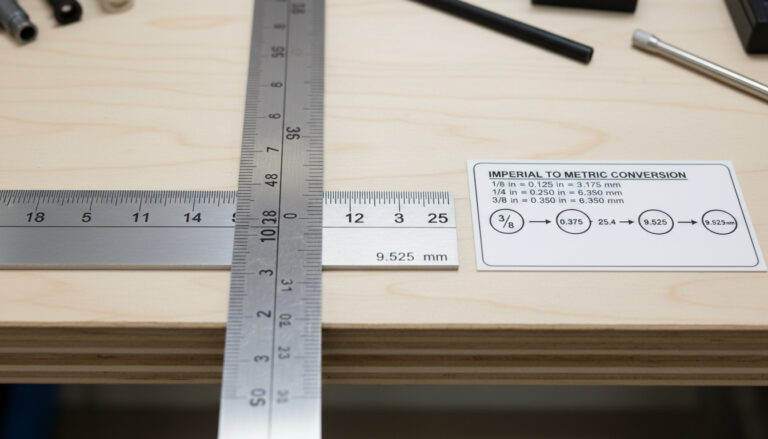 3/8 to mm – Exact Conversion, Chart and Step-by-Step Guide
 Is Anzac Day a Public Holiday? 2026 Status in Australia & NZ
 US to NZ Dollar: Live Exchange Rate & Conversion Guide
 Woolworths Technical Fault Grocery Glitch: 60 Affected