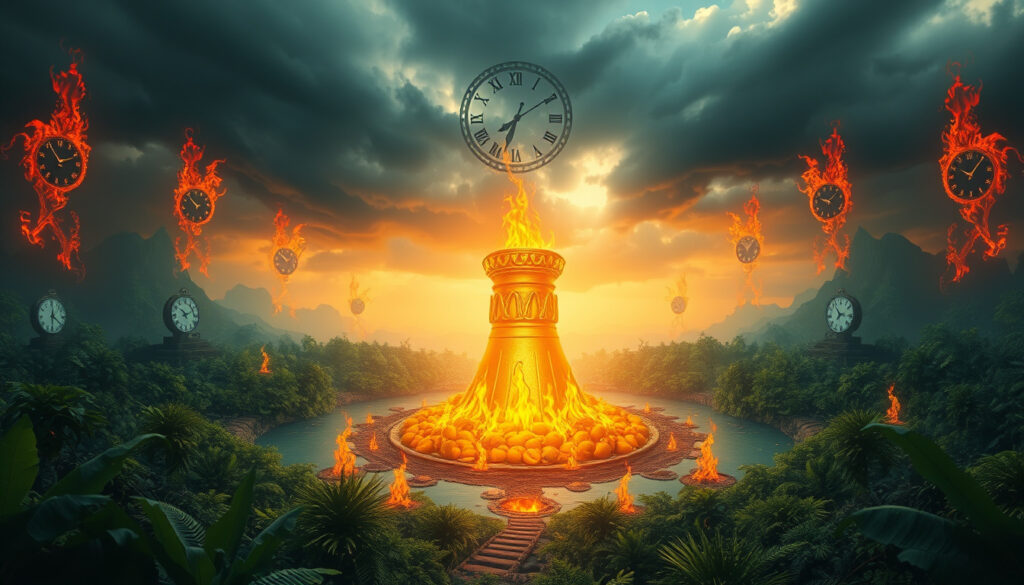
The Hunger Games 2 – Plot, Cast and Streaming Guide
The Hunger Games: Catching Fire stands as the second installment in one of the most successful young adult film franchises of the 2010s. Serving as both a sequel and a tonal shift from its predecessor, the film expands the world of Panem while deepening the political unrest that simmered beneath the surface of the original story. Directed by Francis Lawrence, who would go on to helm the remaining entries in the series, the film transforms from a survival narrative into something far more politically charged and emotionally complex.
Based on the second novel in Suzanne Collins’s trilogy, Catching Fire picks up shortly after Katniss Everdeen and Peeta Mellark’s controversial victory in the 74th Hunger Games. The story introduces the dreaded Quarter Quell—a special edition of the Games that pulls previous victors back into the arena. This narrative choice fundamentally alters the franchise’s trajectory, moving from isolated survival to collective rebellion against the Capitol.
This guide covers everything viewers need to know about The Hunger Games 2, from casting details and plot breakdowns to streaming availability and franchise context. Whether returning to the film or discovering it for the first time, the information below provides a comprehensive overview of this pivotal chapter in Panem’s story.
What Is The Hunger Games 2 Called?
The Hunger Games 2 carries the official title “The Hunger Games: Catching Fire,” distinguishing it from other entries in the franchise. The word “Catching Fire” serves as both a literal and metaphorical descriptor—the title references the symbolic mockingjay pin that Katniss wears, while also pointing toward the spreading rebellion that her actions have ignited across the districts of Panem.
The decision to include the subtitle rather than simply numbering the film followed the industry trend established by franchises like Harry Potter, allowing each installment to maintain its distinct identity while building toward the overall narrative. This naming convention proved prescient as the series expanded to include four main films and the later prequel, The Ballad of Songbirds & Snakes, released in 2023.
Key Insights About The Hunger Games: Catching Fire
- Francis Lawrence replaced Gary Ross as director, bringing a darker visual style that better matched the source material’s tone
- The film introduces the Quarter Quell concept, a tradition of holding special Hunger Games for past victors
- Catching Fire grossed over $865 million worldwide, making it the highest-grossing entry in the franchise at its release
- The arena design features a clock mechanism with different deadly hazards rotating every hour
- The film earned a 90% approval rating on Rotten Tomatoes, significantly higher than the first installment
- Several notable cast members, including Sam Claflin and Jena Malone, joined the franchise in this installment
- The story marks the beginning of open rebellion against the Capitol, shifting the series from survival drama to revolutionary warfare
| Fact | Details |
|---|---|
| Runtime | 146 minutes |
| Budget | $130-140 million |
| Worldwide Box Office | $865 million |
| MPAA Rating | PG-13 |
| Source Material | Catching Fire by Suzanne Collins |
| Production Companies | Lionsgate, Color Force |
| Sequel | Mockingjay – Part 1 (2014) |
| Rotten Tomatoes Score | 90% |
When Was The Hunger Games 2 Released and Who Directed It?
The Hunger Games: Catching Fire premiered on November 22, 2013, in the United States, strategically timed for the pre-holiday theatrical window. The release came approximately 18 months after the first film’s debut, allowing Lionsgate to capitalize on the franchise’s momentum while maintaining audience interest. International releases followed over the subsequent weeks, with the film eventually reaching screens across more than 60 territories worldwide.
Francis Lawrence took over directing duties for the remaining films in the main series, succeeding Gary Ross who helmed the original installment. Lawrence’s background in music videos and feature films like I Am Legend brought a more visually stylized approach to the franchise. The director worked closely with Collins to ensure the adaptation remained faithful to the source material while translating the novel’s key sequences—including the arena’s clock mechanism and the climactic force field sequence—to the screen.
The production timeline included filming in various locations, with principal photography taking place over several months. The film’s development involved extensive pre-production work to design the iconic clock arena and choreograph the complex action sequences that distinguish this installment from its predecessor.
Who Stars in The Hunger Games 2?
Jennifer Lawrence returned to the lead role of Katniss Everdeen, delivering what many critics considered her most nuanced performance in the franchise up to that point. Lawrence’s portrayal captured both Katniss’s physical prowess and emotional vulnerability as the character grappled with the consequences of her actions and the weight of becoming a symbol for rebellion. Her performance earned nominations across multiple award ceremonies, including the MTV Movie Awards and Teen Choice Awards.
Josh Hutcherson and Liam Hemsworth reprised their respective roles as Peeta Mellark and Gale Hawthorne, continuing the romantic triangle that formed a central narrative thread throughout the series. The sequel deepened both relationships, particularly exploring Katniss’s complicated feelings toward Peeta after their forced partnership in the Games. Other returning cast members included Woody Harrelson as mentor Haymitch Abernathy, Elizabeth Banks as Effie Trinket, Lenny Kravitz as stylist Cinna, and Donald Sutherland as the menacing President Snow.
The Quarter Quell premise allowed the film to introduce an ensemble of new characters portrayed by established actors. Sam Claflin arrived as Finnick Odair, the handsome victor from District 4 whose charming exterior concealed a tragic backstory. Jena Malone joined the cast as Johanna Mason, a sardonic tribute from District 7 whose blunt personality provided moments of dark humor. Jeffrey Wright portrayed Beetee, the brilliant but frail technology expert from District 3, while Amanda Plummer played Wiress, his companion whose breakdown in the arena proved crucial to understanding the clock mechanism.
Philip Seymour Hoffman joined the franchise as Plutarch Heavensbee, the new Head Gamemaker whose complex motivations would prove central to the series’ overarching narrative. Stanley Tucci also returned as the flamboyant television host Caesar Flickerman, providing exposition through his character’s interviews with the tributes.
What Is the Plot of The Hunger Games 2?
After the Games: Return to District 12
The film opens in the aftermath of the 74th Hunger Games, with Katniss and Peeta returning to their home in District 12. Despite their victory, neither experiences relief or triumph. Katniss suffers from post-traumatic stress, haunted by the deaths she witnessed and the violence she committed to survive. Peeta struggles with the knowledge that his feelings for Katniss are genuine while hers remain uncertain and complicated.
President Snow arrives at their home to deliver a chilling ultimatum: Katniss’s act of threatening suicide with Peeta has been interpreted as rebellion against the Capitol. Unless she can convince the nation that her defiance stemmed from love rather than revolution, Snow will execute both her family members and Peeta’s entire family. This threat forces Katniss into a charade—publicly maintaining the appearance of a love story while privately knowing that her actions have already sparked something she cannot control.
The Victory Tour and Growing Unrest
Katniss and Peeta embark on the Victory Tour, visiting each district to commemorate their win. The tour serves as both a propaganda exercise and a surveillance operation, with Snow monitoring how districts react to the victors. Tensions escalate as districts witness the obvious strain between Katniss and Peeta, and protests begin emerging in various regions. A scene in District 8, where Katniss’s mockingjay symbol appears on bakery walls, marks the first visible sign of organized resistance.
Gale, Katniss’s close friend from District 12, becomes a target for the new Peacekeepers when he intervenes during an assault on a young woman. His subsequent public whipping underscores the escalating brutality of Capitol control and deepens the divide between Gale and the Capitol-aligned structures of their society. This subplot reinforces the film’s theme that rebellion is not merely political but deeply personal for those living under oppression.
The Quarter Quell Announced
During a televised ceremony, President Snow announces the twist for the 75th Hunger Games: in honor of the Quarter Quell’s 75th anniversary, the tributes will be selected from the pool of existing victors. This announcement shocks the nation—many victors are middle-aged and have not trained for competition in decades. When the reaping reveals both Katniss and Peeta as District 12’s representatives, the Capitol’s intention becomes clear: this is an execution dressed as entertainment.
The arena for the Quarter Quell is revealed as an elaborate clock mechanism, with different deadly environments activated every hour. Hazards include toxic fog that kills on contact, monkey-like mutts genetically engineered to resemble dead tributes, and jabberjays that mimic the screams of loved ones to psychologically torment the competitors.
The clock arena represents one of the film’s most significant visual achievements, with production designers creating a circular battlefield divided into segments that cycle through deadly conditions. Each section corresponds to an hour, with the most dangerous terrain activating when its section enters the “midnight” position.
Alliances and Sacrifices in the Arena
Inside the arena, Katniss and Peeta quickly form alliances with other tributes who share a common goal: surviving long enough to expose the Capitol’s corruption. They join forces with Finnick Odair and Mags from District 4, and later with Beetee, Wiress, and Johanna Mason from Districts 3 and 7. These alliances mark a fundamental shift from the first film, where Katniss worked primarily alone or with Peeta.
The emotional toll of the Games becomes evident as allies fall. Mags sacrifices herself by walking into poisonous fog to spare Finnick from having to choose between saving her and maintaining their cover. Wiress dies during a Career tribute ambush, her earlier breakdown having left her vulnerable. These losses deepen Katniss’s resolve while revealing the human cost of the Capitol’s games.
The Ending: Arena Destruction and Rebel Rescue
Beetee devises a plan to electrocute the Career tributes by luring them toward a tree struck by lightning, using a wire to channel the electrical charge. When the lightning strikes, Katniss must shoot an arrow through the electrified wire to complete the circuit. However, Johanna Mason cuts away Katniss’s trackerjacker sting wound moments before, severing her from the group.
Katniss’s arrow misses its intended target and strikes the arena’s force field instead, causing a massive explosion that destroys the containment barrier. Hovercrafts arrive to extract survivors, but Katniss discovers that Peeta and Johanna have been captured by the Capitol. Distraught and sedated after attacking Haymitch in her rage, Katniss awakens in District 13—the assumed-destroyed district revealed to be the headquarters of the growing rebellion. Gale then delivers devastating news: District 12 no longer exists, erased by the Capitol as punishment for the uprising.
The cliffhanger ending leaves several storylines unresolved, with Peeta held captive by the Capitol and Katniss facing the choice between personal survival and revolutionary leadership. These threads continue through The Hunger Games: Mockingjay – Part 1 and Part 2.
Differences Between The Hunger Games 1 and 2
While both films adapt Suzanne Collins novels, Catching Fire differs significantly from its predecessor in tone, scope, and narrative focus. The first film centers on Katniss’s individual survival against 23 other tributes, with relatively little attention to the political implications of her actions. Catching Fire shifts focus to collective resistance, with the Quarter Quell forcing past victors back into combat and the Capitol’s response to growing unrest.
The sequel introduces the concept of victors as potential revolutionaries, a theme that would define the remainder of the franchise. The arena itself transforms from a natural forest setting to an elaborate technological construct, reflecting the escalating stakes and the Capitol’s willingness to invest greater resources in crushing dissent.
Where Can I Watch The Hunger Games 2?
As of 2026, The Hunger Games: Catching Fire remains available across multiple streaming platforms and digital storefronts. The film has cycled through various services over the years, reflecting licensing agreements between Lionsgate and different providers. Viewers seeking to watch the film have several options depending on their preferences for subscription services, rental periods, or ownership.
Subscription streaming platforms that have carried the film include Netflix, Prime Video, and Peacock, though availability rotates and regional variations apply. Checking current platform listings provides the most accurate information for each viewer’s location and subscription services. Lionsgate Play, the studio’s proprietary streaming service, offers the film as part of its catalog alongside other Lionsgate productions.
For viewers preferring digital ownership, The Hunger Games: Catching Fire remains available for purchase or rental through major platforms including iTunes, Google Play, and Amazon Video. These options allow viewers to own high-quality copies that can be watched without ongoing subscription fees or internet connectivity concerns.
Physical media options include DVD, Blu-ray, and 4K Ultra HD releases, which often contain bonus features including deleted scenes, behind-the-scenes documentaries, and audio commentary from the director and cast members. These editions remain popular among dedicated fans and collectors of the franchise.
Platform availability changes frequently due to licensing agreements. Major services like Netflix, Prime Video, and Peacock periodically add or remove the film from their catalogs. For the most current information, checking individual platform libraries or using streaming search aggregators provides up-to-date availability details.
How Successful Was The Hunger Games 2?
The Hunger Games: Catching Fire achieved remarkable commercial success upon release, grossing over $865 million worldwide against a production budget of approximately $130-140 million. This performance made it the highest-grossing film in the franchise at its release, with subsequent entries unable to match its critical reception even when their total grosses exceeded this figure in inflation-adjusted terms.
The opening weekend alone generated over $158 million in North America, marking a significant increase from the first film’s debut. International audiences embraced the sequel with equal enthusiasm, with key markets including the United Kingdom, China, and Germany contributing substantial portions of the worldwide total. The film’s performance demonstrated that young adult adaptations could sustain franchise momentum well beyond their initial entries.
Critical reception proved equally positive, with The Hunger Games: Catching Fire earning a 90% approval rating on Rotten Tomatoes based on more than 250 reviews. Critics praised the film’s escalation of tension, the performances of returning cast members, and the effective translation of the novel’s most memorable sequences. The clock arena and force field climax received particular acclaim for their visual spectacle and emotional impact.
Award recognition included nominations at the MTV Movie Awards, People’s Choice Awards, and Saturn Awards. Jennifer Lawrence won the Teen Choice Award for Choice Movie Actress, with additional wins across various regional and online voting awards. The film’s technical achievements, including cinematography and production design, also garnered recognition from industry peers.
How Does Catching Fire Fit in the Franchise?
For viewers establishing their watching order, The Hunger Games: Catching Fire occupies the second position in the main series, following The Hunger Games (2012) and preceding The Hunger Games: Mockingjay – Part 1 (2014) and Part 2 (2015). The franchise follows the chronological narrative of Katniss’s transformation from reluctant survivor to revolutionary figure.
The prequel film The Ballad of Songbirds & Snakes (2023) provides additional context for understanding President Snow’s character and the early history of the Hunger Games. While not essential viewing for understanding Catching Fire, the prequel offers insight into the systemic corruption that Snow embodies and the origins of the Capitol’s control mechanisms.
Comparing Catching Fire to the prequel reveals fundamental differences in tone and focus. Where Catching Fire centers on mid-rebellion action with veteran tributes navigating an elaborate clock arena, the prequel explores the 10th Hunger Games’ primitive origins with young tributes competing in basic conditions. The mentorship lottery system introduced in the prequel contrasts sharply with Catching Fire’s emphasis on established victors and their complex relationships.
Sources and References
The Hunger Games franchise represents one of the most significant young adult adaptations of the 2010s, with Catching Fire serving as the critical and commercial peak of the series. The film’s success established patterns that would define the franchise’s later entries while demonstrating that literary adaptations could maintain artistic integrity while achieving mainstream appeal.
Information in this guide draws from published reviews, production notes, box office data, and franchise resources. Key sources include official Lionsgate materials and established entertainment databases that track film releases and audience reception across multiple platforms.
Summary
The Hunger Games: Catching Fire represents the franchise’s most acclaimed installment, combining strong performances, political depth, and spectacle that elevated the source material beyond standard young adult adaptation expectations. The film grossed $865 million worldwide, earned a 90% Rotten Tomatoes score, and successfully transitioned the series from survival drama to revolutionary epic. Those seeking where to watch The Hunger Games 2 can find it across subscription and rental platforms, with physical media also available for collectors and fans preferring ownership.
Frequently Asked Questions
Is The Hunger Games 2 the last movie in the series?
No. The Hunger Games: Catching Fire is the second film in the main series, followed by Mockingjay – Part 1 (2014) and Mockingjay – Part 2 (2015). The prequel The Ballad of Songbirds & Snakes (2023) tells an earlier story but does not serve as a sequel.
What book is The Hunger Games 2 based on?
The film adapts Catching Fire, the second novel in Suzanne Collins’s Hunger Games trilogy, published in 2009. Collins wrote the screenplay alongside Michael Arndt and director Francis Lawrence.
How long is The Hunger Games: Catching Fire?
The film runs for 146 minutes (2 hours and 26 minutes), making it slightly longer than the first installment and among the longer entries in the franchise.
Does Katniss destroy the arena in Catching Fire?
Yes. During the climactic sequence, Katniss fires an arrow at a force field surrounding the arena. The shot destroys the containment barrier, ending the Quarter Quell and triggering a rebel rescue operation.
What happens to Peeta in The Hunger Games 2?
Peeta is captured by the Capitol at the arena’s destruction. His captivity forms a central conflict in the subsequent films, as the Capitol uses him as leverage against Katniss and the rebellion.
Is The Hunger Games 2 appropriate for younger viewers?
The film carries a PG-13 rating for sequences of violence and disturbing images. Parents should consult the rating and content descriptors to determine suitability for their children.
Who composed the score for Catching Fire?
James Newton Howard returned as composer, having scored the first film. His score blends orchestral elements with electronic textures to reflect the film’s balance between human emotion and technological oppression.
More related posts
 Misfits (TV Series) – Plot, Cast, Seasons and Where to Watch
 Kelley Mack Walking Dead: Addy Role & Tragic Death at 33
 Pina Colada Recipe NZ: Easy 4-Ingredient Cocktail at Home
 ASB ATM Near Me: Find Locations, Hours, and Deposit ATMs
 What Is the Capital of Canada? Ottawa vs Toronto Facts
 Cast of The Accountant 2: Full List, Changes & Roles (2025)
 Tony’s Original Steak & Seafood Menu: Prices, Specials, Reviews
 Improper Police Protocol NZ: Rights, Complaints & 2025 Scandal