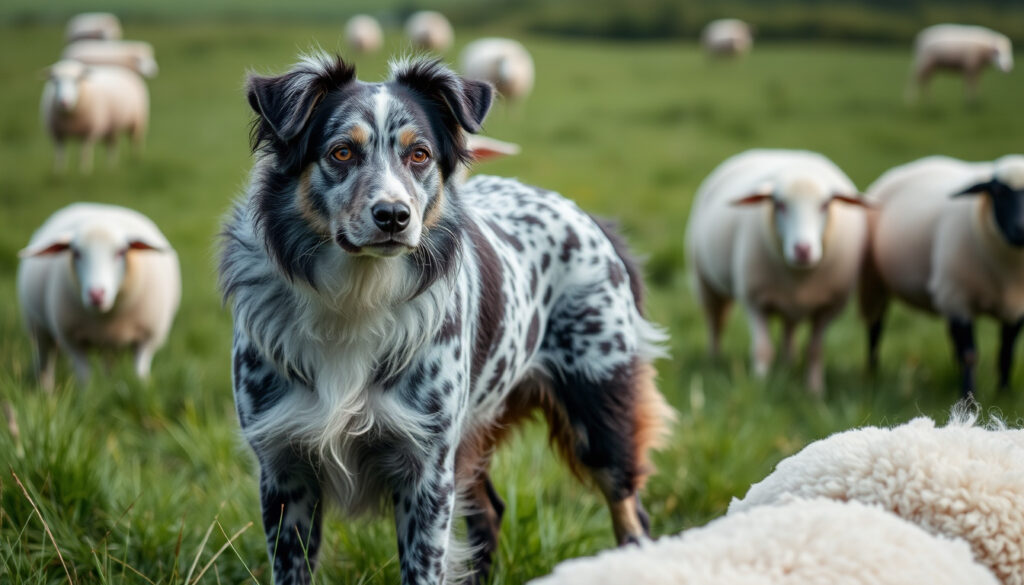
Blue Merle Border Collie – Genetics, Health and Care Guide
The blue merle border collie stands out among dog enthusiasts for its striking marble-like coat and exceptional working heritage. This color variation stems from a specific genetic mechanism that affects pigment distribution across the coat, eyes, and nose. Understanding what creates this distinctive appearance requires examining the science behind the merle gene and how it interacts with the border collie’s base colors.
Border collies consistently rank among the most intelligent and agile working breeds worldwide. The blue merle variety combines these prized characteristics with an eye-catching aesthetic that draws attention in both performance and companion settings. Yet beyond appearance, prospective owners should understand the genetic factors that produce this coat pattern and the health considerations associated with certain breeding combinations.
What Is a Blue Merle Border Collie?
A blue merle border collie carries the merle gene variant at the M locus, which causes random dilution of dark pigment in patches throughout the coat. The result combines grey-blue areas with undiluted black regions over a white base, creating the characteristic mottled or marble appearance. The black nose pigment typically remains unaffected, distinguishing merle dogs from true blue-colored canines whose pigment itself changes rather than simply being diluted in patches.
The merle gene operates as an epistatic factor, meaning it modifies the expression of other color genes rather than functioning independently. When a genetically black border collie inherits the merle variant, certain areas of black pigment become diluted to grey while others stay fully pigmented. This random pattern varies dramatically between individuals, producing dogs with anywhere from subtle grey ticking to extensive marbled patches covering most of the body.
Blue merle border collies display considerable variation in their coat patterns. Some exhibit pale “powder blue” dilutions throughout, while others show dark grey ticking mixed with solid black areas. No two blue merles display identical markings, making each dog visually unique within the breed standard.
The gene specifically targets eumelanin, the dark pigment responsible for black, liver, blue, and isabella coloring. In border collies carrying the standard black base, this produces the blue merle presentation. The dilution effect also extends to the eyes and nose tissue in many individuals, explaining why blue merle border collies frequently display blue eyes, partially blue eyes, or pinkish nose markings alongside their characteristic coat pattern.
- Pattern results from semi-dominant M locus dilution
- Random distribution creates unique individual markings
- Eye color often affected alongside coat pattern
- Not a true blue pigment but diluted black
- Only merle parents can produce merle offspring
- Double merle breeding creates serious health risks
| Characteristic | Blue Merle Details |
|---|---|
| Coat Pattern | Blue merle (diluted black patches) |
| Eye Color | Blue, brown, or heterochromia common |
| Energy Level | High (standard border collie) |
| Family Compatibility | Good with proper training |
| Recommended Health Tests | DNA for MDR1, CEA, and merle status |
Health Issues in Blue Merle Border Collies
The merle gene itself does not cause health problems when present as a single copy. Research indicates that normal blue merle border collies experience no increased health risks compared to other border collie color variations. However, the genetic complexity surrounding merle inheritance creates serious concerns when breeders produce dogs carrying two copies of the merle variant.
Double Merle Complications
When a puppy inherits the merle gene from both parents, the resulting combination produces what breeders and veterinarians call double merles, white merles, or double dilutes. These dogs typically display extensive white coloring along with the marbled pattern, often appearing predominantly white rather than showing the characteristic blue merle patches. The health consequences stem from the homozygous merle condition disrupting normal pigment cell development.
Double merles frequently experience vision impairment ranging from mild to complete blindness, along with hearing loss that may affect one or both ears. These conditions result from inadequate pigment cell development in the eyes and inner ear structures during embryonic growth. The merle gene’s effect on pigment distribution becomes amplified when two copies are present, depriving sensory organs of the melanocytes needed for proper function.
Intentionally breeding two merle dogs together significantly increases the likelihood of producing double merle offspring with sensory deficits. Responsible breeders avoid merle-to-merle pairings specifically to prevent these outcomes. Prospective buyers should always inquire about parent merle status before purchasing a puppy.
An important finding for breeding programs managing existing double merle dogs: these animals can still contribute to healthy litters when bred to solid-colored dogs without the merle gene. All offspring from such pairings will be normal merles carrying a single merle copy, and none will inherit the double merle condition or its associated health problems.
The Merle Gene: Dominant or Recessive?
The merle allele functions as a semi-dominant trait. A single copy produces the characteristic merle pattern without health issues, while two copies create the double merle condition with its associated problems. This inheritance pattern means that merle-to-merle breedings have approximately a 25% chance of producing double merle puppies in each pregnancy, making such pairings statistically risky despite producing some healthy merle offspring.
Color Variations That Mask Merle
Certain coat color genetics prevent the merle pattern from appearing visibly, even when the gene is present. Recessive red border collies cannot display merling because their genetic makeup prevents them from producing eumelanin (dark pigment) in the coat. The merle gene only affects existing dark pigment, so without eumelanin present, no dilution pattern can manifest regardless of merle inheritance.
Similarly, clear sables lacking visible black sabling typically show no merling unless they carry a mask gene. Without darker areas in the coat for the merle gene to modify, the characteristic patched appearance remains hidden even though the genetic potential exists.
Visual inspection alone cannot confirm merle genetic status in all cases. Hidden merle and cryptic merle variations can produce dogs that appear solid-colored while carrying the merle allele. DNA testing from reputable laboratories provides definitive answers about merle status before breeding decisions.
Temperament and Care for Blue Merle Border Collies
The blue merle border collie shares the breed’s renowned working temperament regardless of coat color. These dogs possess the same high energy levels, intense focus, and strong herding instincts that have defined the breed for generations. The merle gene does not influence personality, intelligence, or behavioral traits—it affects only physical appearance and pigment-related genetics.
Behavioral Characteristics
Border collies consistently demonstrate exceptional trainability and problem-solving abilities that make them favorites in agility competition, herding trials, and advanced obedience work. Blue merle individuals participate in these activities at the same rates as their black-and-white counterparts, with coat color having no documented correlation with working ability or trainability.
The breed requires substantial daily exercise and mental stimulation to remain well-adjusted. Without adequate activity, border collies—including blue merle varieties—may develop problematic behaviors stemming from boredom or frustration. Long daily walks, interactive play sessions, and challenging training exercises help channel their energy productively.
Grooming Considerations
Blue merle border collies typically have medium-length double coats requiring regular maintenance. Weekly brushing helps remove loose fur and prevents matting, particularly during seasonal shedding periods when the undercoat blows out more heavily. The merle pattern itself requires no special grooming beyond standard border collie coat care.
Owners should pay attention to the areas around the eyes and ears, especially in dogs with extensive white markings or blue eye coloring. Reduced pigment in these areas can make the skin more susceptible to irritation from wind, sun exposure, or debris. Regular gentle cleaning and monitoring for any signs of discomfort or infection supports long-term eye and ear health.
Training Approach
Positive reinforcement training methods work exceptionally well with blue merle border collies. Their eager-to-please nature and high food motivation make them responsive students when training sessions remain engaging and varied. Harsh correction methods can damage the sensitive bond these dogs form with their handlers and are generally unnecessary given the breed’s natural cooperativeness.
Early socialization helps blue merle border collies develop into well-rounded companions. Exposing puppies to various people, animals, environments, and sensory experiences during the critical developmental period builds confidence and reduces the likelihood of shyness or anxiety in adulthood.
Breeding, Rarity, and Cost of Blue Merle Border Collies
The merle pattern appears in border collies worldwide and is not considered rare within the breed population, particularly among dogs bred for show or companion purposes rather than strict working lines. The actual prevalence varies by region and breeding community, with some bloodlines producing merle puppies more frequently than others depending on breeder preferences and goals.
Breeding Two Merle Dogs
Breeding two merle-colored border collies together creates significant ethical and health concerns due to the statistical risk of producing double merle offspring. Responsible breeders avoid merle-to-merle pairings entirely. When a breeding program includes merle dogs, they are typically paired with solid-colored dogs lacking the merle allele to ensure all puppies receive only a single merle copy.
The practice of intentionally breeding double merles persists in some circles, particularly in breeds where show standards prioritize unusual or flashy colors over health considerations. This approach contradicts established veterinary guidance and breeding ethics promoted by breed clubs and health organizations.
Double merle dogs can be integrated into responsible breeding programs by pairing them exclusively with solid-colored, non-merle mates. This approach produces healthy merle offspring without perpetuating the double merle condition. The resulting puppies all inherit one merle allele and display normal merle patterns without associated health problems.
Blue Eyes in Border Collies
While merle border collies often have blue eyes, blue eyes in the breed do not automatically indicate merle genetics. Dogs with substantial white on their faces may develop blue eyes regardless of merle status. This phenomenon occurs because white markings near the eyes can prevent pigment cells from fully populating the iris during development.
A predominantly white border collie with ticking may have blue eyes without carrying the merle gene at all. Conversely, some merle border collies have brown eyes, particularly if their merle patches do not extend to the facial area affecting eye pigmentation. Genetic testing provides the only definitive determination of merle status.
Acquiring a Blue Merle Border Collie
Prices for blue merle border collie puppies vary considerably based on breeder reputation, geographic location, health testing performed, and whether the puppies come from working or show lines. Prospective owners should prioritize health-tested puppies from breeders who transparently discuss merle genetics and demonstrate awareness of double merle risks.
Reputable breeders provide documentation of health screenings including CEA (collie eye anomaly), MDR1 sensitivity, and merle genetic status for both parents. They should welcome questions about their breeding pairs, allow visits to see puppies with their mother, and remain available as resources throughout a dog’s life.
Understanding the Merle Genetics Timeline
The documentation of merle patterns in collie-type breeds spans more than a century, with genetic understanding advancing significantly in recent decades. Tracing this history provides context for modern breeding practices and health awareness.
- 19th century: Border collies emerge as a distinct breed in the Scottish Borders region, valued primarily for herding ability rather than appearance.
- Early 20th century: Merle patterns documented in collies and related breeds, with breeders beginning to selectively produce merle-colored dogs.
- Mid-20th century: Understanding of merle inheritance improves through controlled breeding observations and breed club documentation.
- 2000s: Commercial DNA testing for merle status becomes available, allowing precise identification of genetic carriers.
- Present: Breeding ethics emphasize avoiding double merle production, with organizations promoting health testing and responsible pairings.
The merle gene’s effect varies somewhat between breeds, with some having genetic modifiers that reduce or alter typical merle expression. Border collies generally display the classic merle pattern without buffering mechanisms, making proper breeding decisions especially critical for this breed.
What We Know and What Remains Unclear
Established Information
- Merle results from semi-dominant M locus allele
- Single merle copy causes no health problems
- Double merle produces vision and hearing deficits
- Merle affects eumelanin pigment distribution
- Blue eyes correlate with but don’t confirm merle status
- Only merle parents can produce merle offspring
Information Gaps
- Precise prevalence varies by geographic region
- Individual health outcomes depend on testing
- Cryptic merle frequency in population unclear
- Long-term health data by color variety limited
- Behavioral differences by coat color undocumented
Background and Context
The merle gene has been present in various herding breeds for generations, with the merle gene appearing in border collies, Australian shepherds, collies, and shetland sheepdogs. Its popularity varies by breed, being especially common in Australian shepherds where it became a defining aesthetic feature of many breeding lines.
Border collies traditionally prioritized working ability over appearance, which has historically kept merle and other non-standard colors less common in working lines compared to the black-and-white pattern preferred in early breed history. However, as border collies transitioned to companion and show roles, merle colors gained appreciation for their distinctive beauty without affecting the breed’s legendary intelligence and trainability.
The genetics behind the blue merle pattern are complex and involve interactions between multiple loci controlling base color, dilution, white spotting, and pattern distribution. Understanding these relationships helps explain why blue merle border collies display such remarkable individual variation despite sharing the same fundamental genetic cause for their appearance. For those interested in exploring border collie genetics in greater depth, numerous resources provide detailed information about how these interacting genes produce the breed’s diverse colorations.
Sources and Expert Perspectives
Research into merle genetics has been conducted by veterinary geneticists, breed clubs, and dedicated organizations focused on dog health. Multiple sources document the inheritance patterns and health implications discussed throughout this article. The American Kennel Club’s health resources provide valuable context for understanding breed-specific genetic considerations.
The merle gene operates as an epistatic gene, affecting other color genes beyond its own genetic partner. When both parents contribute a merle gene to offspring, significant problems arise including vision and hearing impairment.
— Collie Health Foundation, Variations in Collie Color
Breed organizations including the Border Collie Society of America provide educational resources about merle inheritance and ethical breeding practices. These resources emphasize the importance of genetic testing before breeding decisions and encourage breeders to prioritize health over color preferences when planning litters.
Key Takeaways
The blue merle border collie represents a genetically fascinating variation within a versatile and intelligent breed. Understanding that the merle pattern stems from a single gene with semi-dominant inheritance helps prospective owners navigate breeding questions and health concerns appropriately. Single merle dogs experience no additional health risks compared to other border collie colors, making them excellent companions when acquired from responsible sources.
The critical distinction lies in avoiding double merle production through informed breeding decisions. Merle-to-merle pairings carry unacceptable statistical risks for producing puppies with sensory impairments, and ethical breeders consistently prioritize health outcomes over color combinations that might appeal to buyers seeking unusual appearances.
Anyone considering a blue merle border collie should seek breeders who perform genetic testing on breeding pairs, can explain their breeding choices clearly, and demonstrate commitment to the long-term wellbeing of their dogs. Health testing, transparency about merle genetics, and genuine care for puppy placement should form the foundation of any purchasing decision. Those new to the breed may find it helpful to review general guidance for selecting a border collie puppy before making their final choice.
Frequently Asked Questions
What does blue merle mean in dogs?
Blue merle describes a coat pattern where dark pigment appears diluted in random patches, creating a mottled grey and black appearance over a white base. The “blue” designation refers to the greyish tint of diluted areas, not actual blue coloring. The merle pattern results from a specific gene affecting pigment distribution.
Is the merle gene dominant or recessive?
The merle gene functions as a semi-dominant trait. A single copy produces the visible merle pattern without health problems, while two copies create the double merle condition associated with vision and hearing impairment. This inheritance pattern means merle-to-merle breedings risk producing affected puppies.
What grooming does a blue merle Border Collie need?
Blue merle border collies require standard border collie coat care including weekly brushing to manage shedding and prevent matting. During heavy shedding seasons, more frequent brushing helps remove the blown undercoat. The merle pattern itself needs no special grooming techniques beyond regular maintenance.
Are blue merle Border Collies rare?
Blue merle border collies are not considered rare within the breed, particularly in show and companion breeding programs. Their prevalence varies by region and breeding line, with working-oriented bloodlines typically showing lower merle frequencies than those bred primarily for appearance.
Can you breed two blue merle dogs together?
While technically possible, breeding two blue merle border collies together is strongly discouraged due to the 25% chance of producing double merle puppies with significant health problems. Responsible breeders pair merle dogs with solid-colored, non-merle mates to ensure all puppies inherit only a single merle copy.
Do blue merle Border Collies have health problems?
Single merle blue merle border collies experience no additional health risks compared to other border collie colors. Only the double merle condition, resulting from inheriting two merle copies, causes documented health problems including vision impairment and hearing loss. Genetic testing of parent dogs prevents this outcome.
More related posts
 Things to Do in Auckland City: Itineraries & Top Spots 2026
 Profhilo Before and After: Timeline, Cost & Results Guide
 Oppo Find X8 Ultra: Price, Specs, Camera & Global Release
 Upcoming Concerts NZ 2026 – Dates, Venues and Ticket Guide
 Things to Do in Taupō: Best Attractions and Itineraries
 2degrees Wireless Broadband – Plans, Speeds, Coverage & Reviews
 Bowel Cancer Screening NZ: Guide to Eligibility, Costs, Symptoms