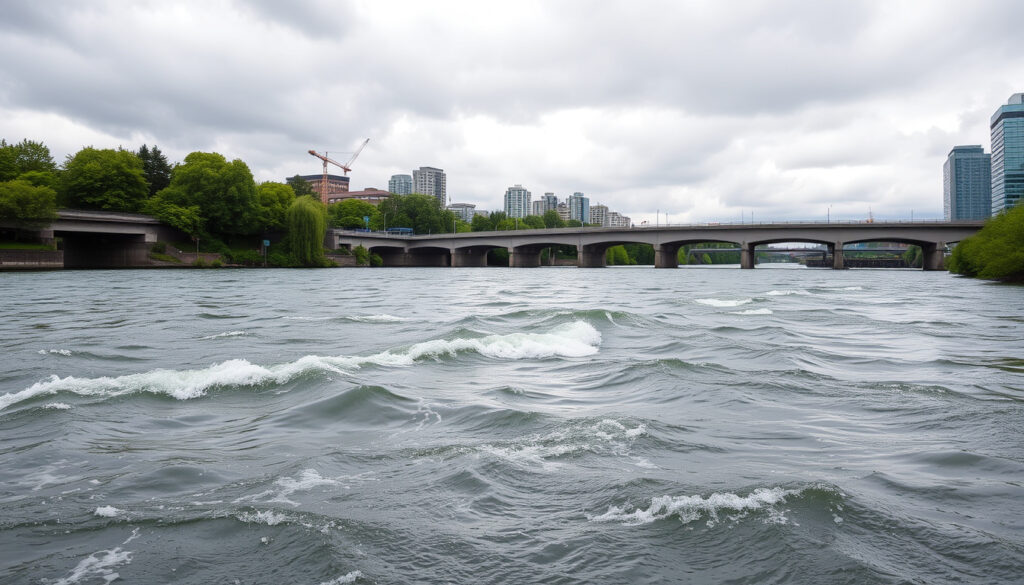
Woman Falls into Water West Auckland: Key Incidents Reported
The black-sand beaches of West Auckland draw visitors for their wild beauty, but that same power has proven dangerous. In November 2024, a woman died at South Piha Beach after being pulled unresponsive from a rip, with rescuers performing CPR for almost an hour. This was not an isolated event—West Auckland waterways have seen a series of similar incidents over recent years, prompting authorities to warn visitors about the hidden risks.
Latest Incident: Woman died after rip at South Piha ·
Fatal Cases: Multiple drownings 2020–2024 ·
Hotspots: Piha Beach, Karioitahi Beach, West Auckland banks
Quick snapshot
- Woman died after CPR at South Piha Beach on 12 Nov 2024 (NZ Herald)
- Rescuers performed CPR for almost one hour (NZ Herald)
- Abhishek Arora, 25, drowned at Piha Beach in a separate 2024 incident (Newstalk ZB)
- Identity and background of the woman who died 12 Nov 2024
- Whether the woman was swimming or standing near water when caught in the rip
- Specific surf and weather conditions at time of incident
- 12 Nov 2024: Woman dies at South Piha after CPR fails (NZ Herald)
- Same day: Multiple water tragedies across New Zealand (NZ Herald)
- Coronial investigation expected following Piha death
- Authorities likely to renew water safety warnings for West Auckland beaches
A summary of key details surrounding the water incidents at West Auckland beaches appears in the table below.
| Detail | Value |
|---|---|
| Most Recent | 12 Nov 2024 death at South Piha |
| Previous Fatality | Abhishek Arora, 25, drowned at Piha (2024) |
| CPR Duration | Almost 1 hour |
| Same-Day Incidents | Multiple water tragedies across NZ on 12 Nov 2024 |
| Common Locations | Piha Beach, Karioitahi Beach, West Auckland |
| Responding Services | SLSNZ, Hato Hone St John, Piha Search and Rescue |
Woman dies after falling into rip at South Piha Beach
On Tuesday afternoon, 12 November 2024, emergency services responded to South Piha Beach in West Auckland after a woman was pulled unresponsive from the water. According to NZ Herald reporting, off-duty Piha lifeguards and the Piha Search and Rescue squad joined the response. Rescuers performed CPR for almost one hour, but the woman could not be revived. Surf Life Saving NZ (SLSNZ) confirmed the details of the incident, noting that Piha Beach is notorious for its dangerous conditions, including powerful rips that can appear even between flagged patrol areas.
Details of the emergency response
The incident drew immediate attention because of the extended resuscitation efforts. A Surf Life Saving NZ spokesperson stated that off-duty lifeguards were present and able to assist quickly, highlighting the importance of having trained personnel nearby at beaches with known hazards. The rugged terrain around Piha often complicates rescue operations, sometimes requiring aerial support or extended ground searches.
This death occurred amid a day of multiple water tragedies across New Zealand. NZ Herald reported that on the same date, two people died, one went missing, and another was fighting for their life in separate water incidents nationwide. The concentration of emergencies underscored the risks that New Zealand’s coastlines pose, particularly during warmer months when beach attendance increases.
The implication: even areas with lifeguard presence and flagged swimming zones cannot eliminate the dangers of strong rips, making personal awareness and caution essential for beachgoers.
Abhishek Arora drowning: another fatal rip at Piha Beach
In a separate 2024 incident at Piha Beach, 25-year-old Abhishek Arora drowned after being caught in a rip while swimming with his partner. Newstalk ZB reported that Arora was one of seven swimmers caught in the rip between the flagged areas patrolled by lifeguards. Lifeguards rescued six of the seven swimmers—four by rescue board and two by IRB—but Arora could not be located initially. His body was later found washed ashore on Bethells Beach, north of Piha.
Identity and circumstances of the victim
Friends told Newstalk ZB that Arora had dreamed of buying a home with his partner. His family in India was making arrangements to bring his body home. The incident highlighted how even experienced swimmers can be caught off guard by the powerful currents at Piha, which is known for rips forming quickly and without obvious warning signs.
Surf Life Saving NZ stated that despite the swimmers being in the flagged area, the rip was strong enough to pull multiple people offshore. This demonstrates that flags indicate where lifeguards are watching, not necessarily where it is safe to swim without caution.
The pattern: Piha’s geography creates persistent rip hazards that can affect even supervised areas, making personal vigilance critical regardless of official safety markers.
Karioitahi Beach: five rescued, one hospitalised
West Auckland’s Karioitahi Beach also experienced dangerous conditions in the same period. According to NZ Herald, five people were rescued by lifeguards after being caught in a rip at Karioitahi, with one person taken to Auckland’s Middlemore Hospital in serious condition. Hato Hone St John responded to the incident just after 5pm. Unlike the fatal outcomes at Piha, this incident resulted in successful rescues, demonstrating the life-saving value of patrolled beaches and quick emergency response.
Comparison of outcomes at West Auckland beaches
The contrast between Piha and Karioitahi outcomes reflects broader patterns in West Auckland beach safety. At Piha, the combination of rugged terrain, powerful rips, and sometimes limited patrol coverage has contributed to multiple fatalities. At Karioitahi, active lifeguard presence enabled the rescue of all five people caught in the rip, with only one requiring hospital-level care. NZ Herald noted that both beaches share a reputation for dangerous conditions, yet the response differences show how critical immediate rescue capability is to survival.
The catch: patrolled beaches with rapid response teams dramatically improve survival odds, but visitors to remote West Auckland beaches face higher risks when lifeguards are unavailable.
Boxing Day incident at Piha Beach
On 26 December 2024, another person was swept away by waves at Piha Beach. According to Indian Weekender, the person was reported missing around 12:30pm, prompting a search involving the Police Eagle helicopter. Lifeguards and St John paramedics performed CPR, but the body was confirmed deceased around 1:20pm. The Boxing Day death was referred to the coroner. This incident added to the toll of water-related deaths at Piha during the summer holiday period, a time when beach attendance peaks and conditions can be deceptive.
Seasonal patterns in West Auckland water incidents
Multiple incidents at Piha have occurred during November and December, coinciding with warmer weather and increased visitor numbers. Kaniva Tonga reported on the swimmer death in November, noting that summer months typically see a rise in beach emergencies as more people enter the water. The clustering of incidents during these periods reinforces the need for heightened awareness and adherence to safety advice when visiting West Auckland beaches.
What this means: summer brings more people to West Auckland’s beaches, but the same ocean conditions persist year-round—visitors should not assume calm weather means safe swimming conditions.
Water safety advice for West Auckland beaches
Following the spate of incidents, authorities have reinforced safety messages for beachgoers. Surf Life Saving NZ advises swimmers to swim between the flags, ask lifeguards about current conditions, and if in doubt, stay out of the water. For rock fishing, wearing a lifejacket is strongly recommended. Newstalk ZB reported that SLSNZ promotes the “3Rs” for escaping rips: relax and float, raise your hand to signal for help, and ride the rip until help arrives or it is safe to swim back to shore. For more details and expert analysis, check out these Brentford v City predictions. Brentford v City predictions
Resources for checking beach conditions
Beachgoers are encouraged to check safeswim.org.nz before heading to any Auckland beach. The website provides information on patrolled areas, surf conditions, water quality, and known hazards. This resource is particularly valuable for visitors unfamiliar with local conditions, as West Auckland beaches like Piha and Karioitahi can change rapidly based on tides and weather.
West Auckland’s black-sand beaches attract thousands of visitors each year, but the same ocean power that makes them beautiful has proven fatal. The woman who died at South Piha on 12 November 2024 joins a list of victims caught in rips at these treacherous shores. For swimmers, the choice is clear: swim between the flags, check conditions first, or stay on the sand.
Upsides
- Off-duty lifeguards can provide critical rapid response
- Patrolled beaches like Karioitahi show successful rescue outcomes possible
- Clear safety advice exists and is widely promoted by SLSNZ
- Resources like safeswim.org.nz help visitors make informed decisions
Downsides
- Piha Beach remains dangerous despite flags and patrols
- Rips can form quickly with little warning, even in supervised areas
- Remote stretches of West Auckland coast lack immediate rescue capability
- Summer clustering of incidents strains emergency services
“The swimmers were in the flagged area which meant surf lifeguards were watching and were able to rescue six out of the seven swimmers.”
— Surf Life Saving NZ spokesperson (Newstalk ZB)
“Piha is notorious for its dangerous conditions, including powerful rips that can appear even between flagged patrol areas.”
— Surf Life Saving NZ spokesperson (NZ Herald)
For beach visitors to West Auckland, the message is unambiguous: respect the ocean’s power, use patrolled areas when available, and never assume that flags guarantee safety. The consequences of underestimating conditions at Piha and similar beaches can be fatal.
Related reading: Things to Do in Auckland City: Itineraries & Top Spots 2026 · Travelodge Hotel Auckland Wynyard Quarter – Location, Amenities & Reviews
Frequently asked questions
What caused the falls into water in West Auckland?
The primary cause has been swimmers and beachgoers caught in powerful rips at beaches like Piha and Karioitahi. These currents can pull even confident swimmers offshore quickly, particularly at Piha where conditions are notoriously hazardous.
How many women have died in similar incidents?
One confirmed female fatality occurred on 12 November 2024 at South Piha Beach, where a woman died after being pulled unresponsive from a rip. Additional fatalities at West Auckland beaches have involved both men and women, including 25-year-old Abhishek Arora in 2024.
What beaches in West Auckland are risky?
Piha Beach and Karioitahi Beach are the primary locations associated with water incidents. Piha is particularly notorious for dangerous rips that can form even between flagged areas, while Karioitahi has also seen mass rescues following rip-related emergencies.
How did police and emergency services respond?
Emergency response typically involves off-duty lifeguards, Piha Search and Rescue, and Hato Hone St John. In the 12 November 2024 incident, CPR was performed for almost an hour. Boxing Day incidents have also required Police Eagle helicopter deployment for searches.
What safety tips should visitors follow?
Swim between flags at patrolled beaches, ask lifeguards about conditions, and if in doubt stay out. For rock fishing, wear a lifejacket. Check safeswim.org.nz before visiting any Auckland beach. If caught in a rip, remember the 3Rs: relax and float, raise your hand, and ride the rip until help arrives.
Are there patterns in these West Auckland falls?
Incidents tend to cluster during summer months (November through February) when beach attendance is highest. Many have occurred even within flagged patrol zones, highlighting that rips can form rapidly and unpredictably at West Auckland beaches.
What is the status of the 2024 Piha investigation?
The 12 November 2024 death is expected to involve a coronial investigation, standard practice for sudden water-related deaths. The Boxing Day 2024 Piha incident was also referred to the coroner.
More related posts
 Cast of Kung Fu Panda 4: Full Voice Actors and Characters
 Mitre 10 MEGA Papanui Products & Shopping Guide
 How Many Weeks in a Year? 52 or 53? The Exact Answer
 Is Hong Kong a Country? Status, History & Facts Explained
 Misfits (TV Series) – Plot, Cast, Seasons and Where to Watch
 Houses for Sale Oxford NZ: Buying Guide & Market Insights
 6 Seater Dining Table NZ: Compare Sizes, Costs & Top Picks
 Omron Blood Pressure Monitor: Accuracy & Best Models