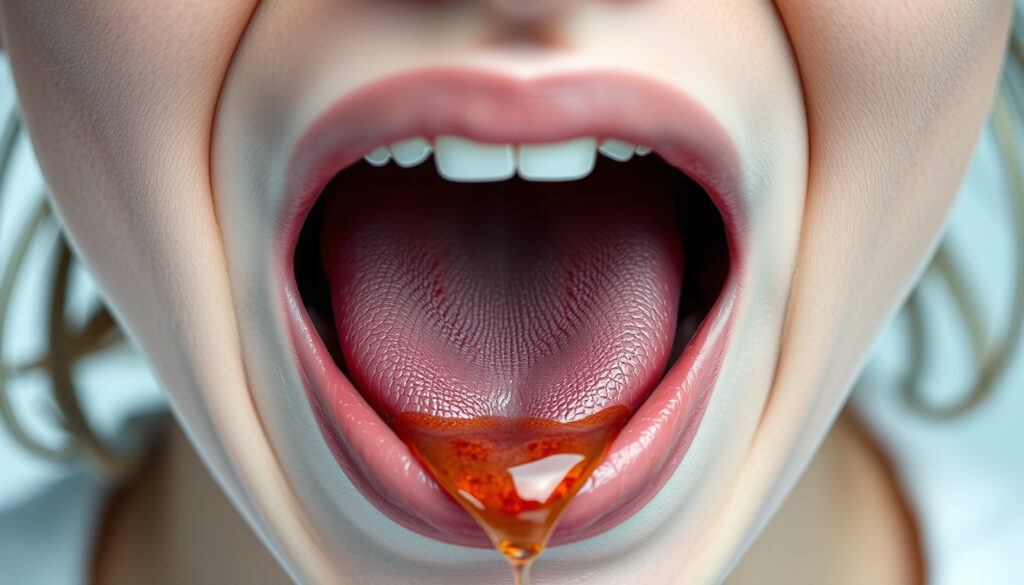
Metallic Taste in Mouth: Causes and When to See a Doctor
You take a sip of coffee, and it tastes like pennies. A bite of your favorite meal suddenly seems bland or strangely bitter. That odd, metallic sensation in your mouth is unsettling, and you’re probably wondering if it’s just a passing quirk or something that deserves a doctor’s visit. This guide walks you through the most common reasons for a metallic taste, how to tell if it’s harmless, and the practical steps you can take to get your sense of taste back on track.
20% of adults experience some form of taste alteration · Medication side effects, oral hygiene issues, and upper respiratory infections top the cause list · Serious conditions are rare, with cancer as an uncommon primary cause · Pregnancy-related onset often occurs within the first trimester
Common Causes
Poor oral hygiene, medication side effects, and upper respiratory infections are the most frequently cited non-serious culprits behind a metallic taste.
Systemic Links
Chronic conditions such as diabetes, kidney disease, or liver disorders can alter taste perception, signaling a deeper health issue when taste changes persist.
Nutritional Factors
Deficiencies in zinc or vitamin B12 are known contributors to taste changes, making a micronutrient check a worthwhile step if symptoms continue.
Pregnancy Timeline
Dysgeusia often begins in the first trimester and typically resolves by the second, making it a transient hormonal symptom for many expecting mothers.
What Can Cause a Metallic Taste in Your Mouth?
A metallic taste often traces back to everyday factors rather than a serious illness. Poor oral hygiene allows bacteria to accumulate on the tongue and gums, directly distorting taste perception. Medications—including antibiotics, blood pressure drugs, and certain antidepressants—frequently list altered taste as a side effect. Upper respiratory infections, colds, and sinus issues can also disrupt the connection between smell and taste, making foods taste metallic or flat. Recognizing these common triggers is the first step toward pinpointing whether your symptom is a passing annoyance or something that warrants a closer look.
What Sickness Can Cause a Metallic Taste in the Mouth?
While a metallic taste is rarely an emergency, it can occasionally signal an underlying health condition. Diabetes, kidney disease, and liver disorders are among the systemic illnesses that can alter taste perception through metabolic changes. A persistent sinus infection that fails to resolve may also contribute to a distorted sense of taste. If you have a pre-existing condition like diabetes or kidney disease, a new or worsening metallic taste could indicate that your condition needs closer management—prompting a conversation with your healthcare provider rather than self-diagnosis.
If your metallic taste is accompanied by other serious symptoms—such as drooping on one side of the face, weakness, difficulty speaking, or a high fever—this is the moment to seek immediate medical attention.
Why Do I Have a Metallic Taste in My Mouth During Early Pregnancy?
Pregnancy hormones are a well-documented trigger for dysgeusia, with many women reporting a persistent “coin-like” flavor, particularly during the first trimester. This hormonal shift alters taste perception, making everyday foods taste metallic or unpleasant. While it’s highly uncomfortable, it is generally harmless and often resolves by the second trimester. If you’re trying to conceive and notice this symptom alongside a missed period, it can be one of the first clues—but it’s rarely a standalone indicator, so a pregnancy test remains the definitive confirmation.
How Do I Get Rid of the Taste of Metal in My Mouth?
Immediate relief comes from sensory countermeasures that mask or reduce the metallic sensation. Eating cold foods—such as yogurt, smoothies, or chilled fruits—can help because they have a milder aroma. Adding acidic ingredients like lemon or vinegar to meals can also cut through the metallic flavor. Staying hydrated and chewing sugar-free gum stimulates saliva production, which helps wash away taste-altering compounds. For some, switching to plastic or glass utensils avoids the metal-on-metal sensation that amplifies the problem.
Switching to plastic or glass utensils can help if the metallic taste is heightened by metal cutlery in your mouth—a small change that can make a big difference during meals.
Could a Metallic Taste Signal a Serious Condition Like Liver Failure or Diabetes?
While rare, a persistent metallic taste can be an early sign of serious conditions like chronic kidney disease, liver failure, or undiagnosed diabetes. These systemic illnesses alter metabolic processes that affect taste perception. The key differentiator is the presence of additional symptoms—such as fatigue, unexplained weight loss, swelling, or changes in urination—that accompany the taste change. If your metallic taste persists for more than two weeks without a clear cause, or if it is accompanied by any red-flag symptoms like weakness or shortness of breath, a medical consultation is not a suggestion but a necessary health check.
my.clevelandclinic.org, generalmedicine.co, nidirect.gov.uk, crest.com, health.harvard.edu, medicalnewstoday.com, health.clevelandclinic.org, healthline.com, uai.com.br, bassmedicalgroup.com, verywellhealth.com, medwellnest.com
Can Acid Reflux Cause a Metallic Taste? And Other Frequently Asked Questions
| Question | Answer |
|---|---|
| Can allergies cause a metallic taste? | Allergies can contribute indirectly—post-nasal drip and decongestant use often dry out the mouth, which worsens the metallic sensation. |
| Does a metallic taste mean I have a sinus infection? | Not always, but it’s possible—a persistent sinus infection that’s not resolving can distort taste through nasal congestion and post-nasal drip. |
| Can acid reflux cause a metallic taste? | Yes—when stomach acid flows back into your throat and mouth (GERD), it can leave a sour or bitter taste that some describe as metallic. |
| Can kidney problems cause a metallic taste? | Yes—kidney disease can cause a buildup of waste products in the blood, which is often described as a metallic or ammonia-like taste in the mouth. |
| Can stopping a medication cause a metallic taste? | It can—withdrawal from certain medications may temporarily alter taste perception, but always consult your doctor before discontinuing a prescribed drug. |
| Why do men get a metallic taste in their mouth? | The causes are the same as for women—medication side effects, oral hygiene, infections, and systemic conditions—though pregnancy is obviously not a factor. |
| Can a metallic taste be a sign of COVID-19? | During the pandemic, taste and smell disorders including dysgeusia were recognized symptoms—if you have a sudden loss of taste with respiratory symptoms, a rapid test is a reasonable step. |
The symptom’s persistence and accompanying signs matter more than the taste itself. A metallic taste that fades quickly with improved oral care or hydration is rarely a concern; one that lingers for weeks or pairs with systemic symptoms deserves professional evaluation.
More related posts
 NYT Mini Crossword Answers Today: Latest Solutions & Clues
 Golden Bay Holiday Park – Facilities Prices Reviews Booking Guide
 Dunedin Houses for Sale: Find Your Next Home in New Zealand
 CIBC Global Money Transfer – Fees, Limits, Speed and Setup Guide
 Samsung Galaxy S24 FE in 2026: Still Worth Buying
 The Goldfinch Christchurch Reviews: 4.7/5 Tripadvisor 2024
 Fitbit Charge 6 NZ: Price, Battery Life and Replacement