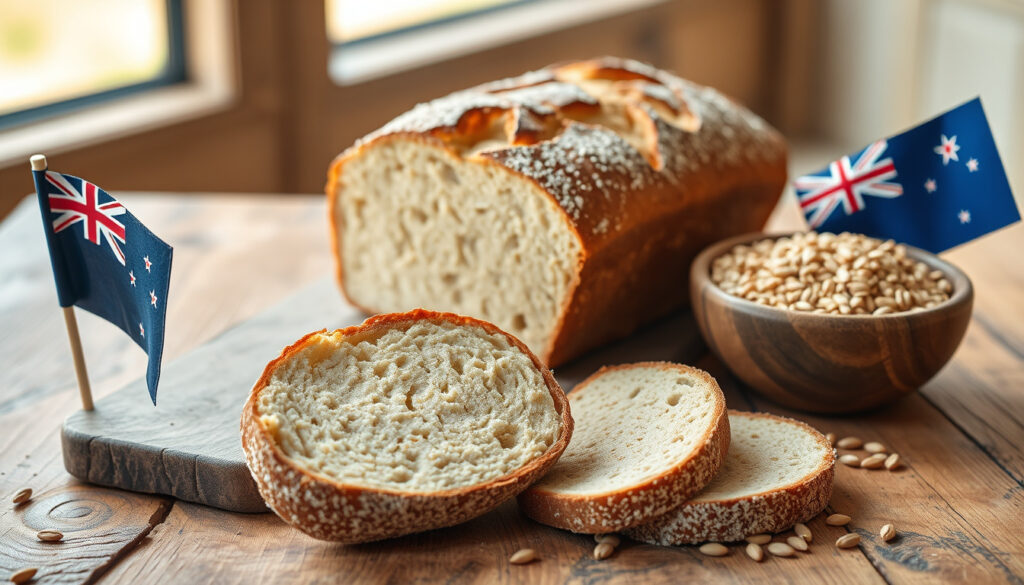
Gluten Free Bread NZ: Best Brands, Taste, and Where to Buy
Anyone who has tried gluten-free bread in New Zealand knows the struggle, but the options have improved dramatically. The Spinoff ranked Venerdi Organic Gluten Free Sourdough Six Seed as the best in the country in 2020, and this guide helps you pick the right loaf for your taste, budget, and dietary needs.
Price per 100g (Woolworths NZ): $1.54 (Ploughmans sunflower & chia) ·
Gluten-free bread box cost: $30 for 2 loaves + brownies (Flaveur) ·
Brands reviewed by The Spinoff: 10 loaves ranked in 2020 ·
Award-winning NZ bakery: Thoroughbread – gluten-free & paleo specialist
Quick snapshot
- Venerdi Organic GF Sourdough Six Seed ranked #1 by The Spinoff (The Spinoff)
- All plain meats are naturally gluten-free (National Celiac Association)
- Traditional sourdough contains gluten (BeyondCeliac.org)
- Which gluten-free bread tastes closest to regular bread is subjective – based on individual palates
- The best bread for SIBO depends on personal tolerance to specific fermentable carbs
- Exact folic acid fortification status of gluten-free breads in NZ is not systematically documented
- Rankings of gluten-free breads may shift as new products enter the market
- Steady availability across NZ supermarkets – no major product discontinuation noted (Thoroughbread)
- Growing number of artisan bakeries entering the market (Thoroughbread)
- Increased demand for SIBO-friendly and low-FODMAP gluten-free breads
- More retailers likely to stock specialised sourdough options
Five key facts, one pattern: the most affordable option also happens to be a solid everyday choice, while artisan loaves command a premium for texture and taste.
| Fact | Value |
|---|---|
| Most affordable option | Ploughmans sunflower & chia at Woolworths – $1.54/100g (Woolworths NZ) |
| Highest-rated by The Spinoff (2020) | Venerdi gluten-free bread |
| Award-winning NZ bakery | Thoroughbread – gluten-free & paleo (Thoroughbread) |
| Gluten-free bread box | Flaveur – $30 for 2 loaves + brownies (Flaveur) |
| Common gluten-free bread flaw | Low in folic acid – most brands not fortified |
Is there any gluten-free bread that tastes like regular bread?
The short answer: yes, but it depends on the brand and how you prepare it. Several NZ options come surprisingly close, especially when toasted.
What gluten-free bread brands in NZ come closest to regular bread texture?
- Venerdi Organic Gluten Free Sourdough Six Seed – described by The Spinoff as having “the best texture and flavour” among supermarket loaves.
- Gluten Freedom Bread – a sourdough-style loaf that Wheatless Wanderlust said was “hard to identify as gluten-free in blind tasting.”
- Thoroughbread’s artisan sourdough – the bakery’s paleo and gluten-free loaves have won multiple awards.
How does toasting affect gluten-free bread taste?
Toasting dramatically improves the flavour and texture of most gluten-free breads. The Spinoff noted that Vogel’s six seed variety became “crispy and generous” after toasting, and many reviewers agree that a warm, crunchy exterior masks the typical dryness. The catch: toasting can’t fix a crumbling crumb, so start with a brand that has good structural integrity.
For a near-regular bread experience, buy a sourdough-style loaf from a specialist bakery and toast it. The $6–$10 premium is worth it for the texture.
The implication: toasting is a great equaliser, but it can’t rescue a structurally weak loaf. Start with a brand that has a solid crumb.
What are the downsides of gluten-free bread?
Gluten-free bread isn’t a nutritional one-to-one swap. It often carries more sugar, more fat, and less fibre than regular bread, and it’s rarely fortified with folic acid.
Is gluten-free bread fortified with folic acid?
Most gluten-free breads in New Zealand are not fortified with folic acid. BeyondCeliac.org warns that people on a gluten-free diet may have lower folate intake as a result. This is especially important for women of childbearing age who need adequate folic acid to prevent neural tube defects.
How a Gluten-Free Diet Affects Folate Intake
Because wheat flour is fortified in many countries, cutting it out removes a key source of folate. BeyondCeliac.org recommends checking labels for added folic acid and considering supplements if needed. The National Celiac Association also advises balancing the diet with naturally folate-rich foods like leafy greens and legumes.
The pattern: nutritional downsides are real, but they can be managed with label reading and supplementation.
Which bread for SIBO?
Small intestinal bacterial overgrowth (SIBO) requires a low-fermentation diet. The right gluten-free bread can fit, but the wrong one can make symptoms worse.
What is the most gut-friendly bread?
- Low-FODMAP gluten-free breads made with white rice flour or sourdough fermentation are easiest on the gut (National Celiac Association).
- Avoid breads with high-fibre seeds, chicory root, inulin, or added sweeteners, which can trigger bloating.
- Artisan options like Thoroughbread’s sourdough use natural fermentation that may reduce fermentable carbs.
What’s the worst thing to eat with SIBO?
High-fibre, high-sugar, and high-fermentation foods are the worst. That includes many gluten-free breads that add inulin or chicory root for fibre. BeyondCeliac.org notes that even gluten-free breads with seeds can be problematic for SIBO sufferers. Stick to simple, low-FODMAP loaves.
If you have SIBO, don’t assume “gluten-free” equals “safe.” Read the ingredient list for high-FODMAP additives. The safest bet is a plain white rice flour loaf.
The catch: “gluten-free” is not a guarantee of gut-safety for SIBO. Always check the ingredient list.
Is sourdough bread gluten-free?
Traditional sourdough is not gluten-free, but NZ bakeries now offer versions made with certified gluten-free grains.
Does fermentation remove gluten from sourdough?
No. BeyondCeliac.org states that while fermentation breaks down some gluten proteins, it does not reduce them to safe levels for people with celiac disease. Only sourdough made with gluten-free grains (rice, buckwheat, teff) is safe.
What gluten-free sourdough options are available in NZ?
- Thoroughbread – award-winning gluten-free sourdough
- Flaveur – delivers a bread box with sourdough-style loaves and brownies
- Gluten Freedom Bread – a sourdough-style loaf available at New World, FreshChoice, and Countdown (Wheatless Wanderlust)
What this means: for a true sourdough experience, seek out a certified gluten-free artisan loaf.
What is the most gut-friendly bread?
Gut-friendly breads are low in additives, low in fermentable carbs, and ideally naturally fermented.
What makes a bread gut-friendly?
- Minimal ingredients: flour, water, salt, yeast – no gums, emulsifiers, or added fibres.
- Low-FODMAP certified or made with white rice flour.
- Natural sourdough fermentation (using gluten-free grains) reduces phytic acid and improves digestibility (EcoWatch).
Which breads are lowest in fermentable carbs?
Plain white rice bread or sourdough made from buckwheat or teff are lowest in FODMAPs. BeyondCeliac.org recommends avoiding breads with added honey, agave, or high-fructose corn syrup. In NZ, the simplest option is often a basic white gluten-free loaf from a supermarket, such as Vogel’s White or Ploughmans plain.
What’s the worst thing to eat with SIBO?
Think of SIBO as a gut that can’t handle fermentation. The worst foods are those that feed bacteria: high-fibre, high-sugar, and high-fermentation items.
What foods should be avoided on a SIBO diet?
- High-fibre whole grains, seeds, and nuts – many gluten-free breads are packed with seeds.
- Sugar and sweeteners – even “natural” ones like honey and maple syrup.
- Fermentable fibres like inulin, chicory root, and psyllium.
How does gluten-free bread fit into a SIBO-friendly plan?
Choose gluten-free breads with no added fibre, no seeds, and no sweeteners. National Celiac Association advises looking for “white rice flour” as the first ingredient. In NZ, Ploughmans plain white gluten-free toast bread fits that profile.
The implication: simplicity is key for SIBO – the fewer ingredients, the better.
Comparison of Gluten-Free Bread Brands in NZ
Eight brands, one pattern: price and taste are inversely correlated, and supermarket loaves are catching up to artisan quality.
| Brand | Price (approx) | Best for | Where to buy |
|---|---|---|---|
| Venerdi Organic GF Sourdough Six Seed | $10 (Countdown) / $7.49 (Huckleberry) | Best overall taste | Countdown, Huckleberry |
| Ploughmans Sunflower & Chia | $1.54/100g (Woolworths) | Best value | Woolworths, Countdown |
| Vogel’s Gluten Free 6 Seed | $8.46 (Woolworths) | Great toasted | Woolworths, New World |
| Bürgen Gluten Free Sunflower & Chia | $12.55 (Kiwi Corner Dairy) | Available everywhere | All major supermarkets |
| Gluten Freedom Bread | ~$6–$8 | Closest to regular bread | New World, FreshChoice, Countdown |
| Bread Kind Everyday Loaf | $5.50 (Countdown) | Cheapest supermarket loaf | Countdown |
| Thoroughbread Sourdough | ~$10–$12 | Artisan texture & award-winning | Online, farmers markets |
| Flaveur Bread Box | $30 (2 loaves + brownies) | Premium experience | Online delivery |
The implication: if you’re watching your budget, Ploughmans or Bread Kind will keep you stocked. If taste is your priority, spend a little more on Venerdi or a boutique sourdough.
Clarity: What we know and what remains uncertain
Confirmed facts
- All plain meats are naturally gluten-free (National Celiac Association).
- Traditional sourdough bread contains gluten (BeyondCeliac.org).
- Gluten-free bread is rarely fortified with folic acid (BeyondCeliac.org).
- Venerdi ranked #1 by The Spinoff in 2020 (The Spinoff).
What’s unclear
- Which gluten-free bread tastes closest to regular bread is subjective – based on individual palates.
- The best bread for SIBO depends on personal tolerance to specific fermentable carbs.
- Exact folic acid fortification status of gluten-free breads in NZ is not systematically documented.
- Rankings of gluten-free breads may shift as new products enter the market.
The pattern: the uncertainties revolve around personal taste and individual health conditions, not the quality of the products themselves.
Quotes from the experts
“I’ve built my list of the 10 greatest GF loaves, which can be found either at the supermarket or your local boutique.”
— The Spinoff reviewer, in their 2020 ranking of NZ gluten-free breads (The Spinoff)
“Thoroughbread is a New Zealand based, award winning, family operated bakery specialising in gluten free & paleo products.”
— Thoroughbread founder (Thoroughbread)
Summary
New Zealand’s gluten-free bread landscape has matured from a sad shelf of dry bricks to a genuine choice – from budget-friendly supermarket staples to artisan sourdough that rivals the real thing. The trade-off is clear: cheaper loaves work for toast and sandwiches, while premium options deliver texture and flavour. For a New Zealander with SIBO or celiac disease, the choice is simple: buy a plain, low-FODMAP loaf from the supermarket for everyday use, or splurge on a boutique sourdough from Thoroughbread or Flaveur when you want a treat. Either way, you no longer have to settle for bad bread.
kiwicornerdairy.com, wise-foods.co.nz, wheatlesswanderlust.com, facebook.com, thetakeout.com, theglutenfreegathering.com, simplyrecipes.com, youtube.com, instagram.com, woolworths.co.nz
For a deeper look at supermarket and artisan options, check out our comprehensive guide to gluten-free bread in NZ.
Frequently asked questions
Is gluten-free bread available in all NZ supermarkets?
Yes. Countdown, New World, Pak’nSave, and Woolworths all stock at least one or two gluten-free bread options. The range varies by store, but brands like Vogel’s, Ploughmans, and Bürgen are widely available.
How long does gluten-free bread last compared to regular bread?
Gluten-free bread tends to dry out faster – typically 2–3 days at room temperature. Freezing extends its life significantly. Most brands freeze well and toast straight from the freezer.
Can I eat gluten-free bread if I don’t have celiac disease?
Absolutely. Many people choose gluten-free bread for digestive comfort or personal preference. Just be aware that it’s not necessarily healthier – it often has more sugar and less fibre than regular bread.
What gluten-free bread is best for toasting?
Vogel’s 6 Seed, Venerdi Sourdough, and Ploughmans all toast well. The key is toasting until golden and crispy – this compensates for the drier texture.
Does gluten-free bread contain more sugar than regular bread?
Often yes. Manufacturers add sugar to improve taste and moisture. Check the label – some brands have 3–5g of sugar per slice, while regular bread has 1–2g.
Is gluten-free bread healthier than regular bread?
Not inherently. It’s essential for people with celiac disease, but for others, it can be lower in fibre, protein, and B vitamins. Always compare nutrition labels.
What is the cheapest gluten-free bread in NZ?
Bread Kind Everyday Loaf at $5.50 from Countdown is the cheapest option found by The Spinoff. Ploughmans at $1.54/100g is also very economical.
Related reading: Chicken n Things NZ: Online Butcher Menu, Prices & Reviews · Pak’nSave Rolleston: Location, Size, Hours & More
More related posts
 Lotus Foreign Exchange St Lukes: Rates, Hours & Reviews
 Air New Zealand Baggage Allowance: Carry-on & Checked Limits
 Home Loan Borrowing Calculator: Maximum Mortgage Guide
 How Much is NZ Superannuation: Rates 2026, After Tax & More
 Rugby League Live 4: Still Works, Where to Buy, PS5
 Man City vs Newcastle United Stats: Head-to-Head & Records
 English to Urdu Translation: Best Free Tools & Accurate Methods
 How to Deactivate Instagram: Step-by-Step Guide