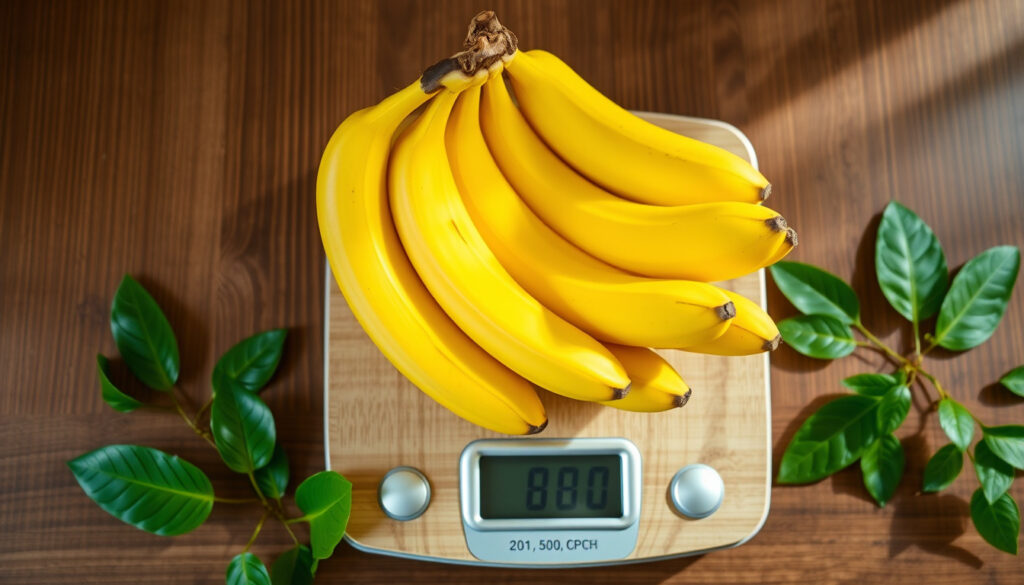
How Many Calories in a Banana? Sizes, Carbs & Weight Loss
If you’ve ever stood in the kitchen wondering whether your afternoon snack is sabotaging your diet, you’re not alone. Bananas are one of those foods people second-guess — partly because they’re sweet, partly because they’re portable, and partly because calorie counts seem to vary wildly depending on where you look. This guide cuts through that noise with precise numbers from the USDA and major nutrition databases, so you know exactly what you’re eating.
Medium banana (7–8 inches): 105 calories · Small banana (6–7 inches): 90 calories · Large banana (8–9 inches): 121 calories · Banana per 100g: 89 calories · Average banana carbs: 25 grams
Quick snapshot
- A medium banana delivers 105 calories (FatSecret USDA)
- Calorie range spans 72–135 depending on size (Healthline)
- 93% of banana calories come from carbs (FatSecret USDA)
- Exact protein content varies slightly by ripeness
- Minor regional or variety-specific differences not well-documented
- USDA nutrition data for bananas updated regularly
- Major nutrition publications updated size-specific guides in recent years
- Practical portion tips to fit bananas into any diet goal
- Best food pairings and timing strategies
| Nutrient | Amount (medium banana) | Daily Value % |
|---|---|---|
| Calories | 105 | 5% |
| Carbohydrates | 27g | 9% |
| Sugar | 14g | — |
| Fiber | 3g | 11% |
| Protein | 1g | 2% |
| Potassium | 422mg | 9% |
| Vitamin B6 | 0.43mg | 33% |
How many calories are in 1 average banana?
The term “average banana” is doing a lot of work here — sizes vary considerably, and that variance directly affects calorie count. Most nutrition references target a medium banana (7–8 inches, roughly 118g peeled) as the standard serving size.
A medium banana contains 105 calories according to USDA data, with 27g total carbohydrates, 14g of which is natural sugar, and 3g of fiber. The Harvard Nutrition Source puts a similar medium ripe banana at roughly 110 calories and 28g carbs — the small discrepancy reflects natural variation in ripeness and exact weight.
Calories by banana size
- Extra small (<6 inches, 81g): 72 calories, 19g carbs
- Small (6–7 inches, 101g): 90 calories, 23g carbs
- Medium (7–8 inches, 118g): 105 calories, 27g carbs
- Large (8–9 inches, 136g): 121 calories, 31g carbs
- Extra large (>9 inches, 152g): 135 calories, 35g carbs
These figures come from Healthline’s size-specific breakdown, which aligns closely with USDA data. The takeaway: if you’re counting macros precisely, measure your banana rather than guessing.
Carbs and protein in a banana
A medium banana delivers 27g of total carbohydrates, of which 3g is fiber. That means net carbs sit around 24g — a meaningful number for anyone tracking low-carb intake. The Eat This Much nutrition database confirms these figures and adds that a medium banana provides about 1g of protein and 422mg of potassium (9% of the daily value).
Bananas are carb-dominant by design — 93% of their calories come from carbohydrates. That makes them an efficient pre-workout fuel source, but it also means the 14g of natural sugar hits faster than most people expect.
Is 1 banana a day too much sugar?
One medium banana delivers 14g of natural sugar — a figure that sounds alarming until you compare it to what most people actually consume. Added sugars in typical Western diets come from sodas, desserts, and processed snacks. The sugar in a banana is naturally occurring, bundled with fiber that slows absorption.
The Dole nutrition analysis notes that bananas rank among the higher-calorie fruits precisely because of their carbohydrate and fructose content — but this is a relative comparison, not a warning. One banana daily falls well within reasonable added-sugar limits for most adults.
Sugar content in bananas
Per 100g, bananas contain approximately 12.2g of sugar — compared to an egg’s negligible 0.37g per the same weight. This difference is significant but contextual: a whole egg and a whole banana are different foods with different roles in a diet.
The American Heart Association recommends no more than 36g of added sugar daily for men and 25g for women. A single banana delivers 14g of natural sugar — none of it added. Swap a banana for a granola bar and you’ve made a clear nutritional upgrade.
Daily banana limits
For most adults, one medium banana per day poses no sugar-related concern. Those monitoring blood sugar or following very low-carb diets should factor the 14g of natural sugar into their daily totals — but the fiber and potassium content make bananas a more nutrient-dense choice than equivalent-calorie servings of candy, cookies, or sweetened yogurts.
Is banana ok for weight loss?
Bananas can absolutely fit into a weight-loss plan — but “fit” depends on how you use them. At 105 calories for a medium fruit, bananas offer moderate calorie density. The fiber content (3g per medium banana) promotes satiety, and the potassium supports muscle function during exercise.
The Healthline nutrition analysis points out that bananas support weight loss when consumed as a low-calorie, high-fiber snack providing sustained energy from complex carbohydrates. The caveat: eating several large bananas daily can easily push calorie intake past maintenance levels.
Bananas and fat burn
There’s no magical fat-burning property in bananas — but they do offer something exercise-focused weight loss needs: quick, clean energy from carbs paired with electrolytes. The fiber slows digestion, preventing blood sugar spikes that can trigger hunger. A pre-workout banana eaten 30–60 minutes before exercise provides readily available fuel without heavy fat or protein that might cause digestive discomfort.
Portion tips for weight loss
- Choose small (90-calorie) bananas over large ones when snacking between meals
- Pair half a banana with a protein source (egg, nut butter, Greek yogurt) to slow sugar absorption
- Avoid banana chips — they exceed 500 calories per 100g versus 89 for raw banana (Dole)
- Track banana calories explicitly in any calorie-counting app rather than guessing at “one fruit”
Which is better, eggs or bananas?
This question surfaces repeatedly because people want a simple answer — but the honest response is “it depends on what your body needs.” Eggs and bananas serve fundamentally different nutritional roles.
Per 100g: a banana delivers 89 calories with 22.8g carbs and 358mg potassium. A whole egg delivers 143 calories with 12.6g protein and negligible carbs. The Souper Sage comparison tool quantifies the gap: eggs contain 38–40% more calories by weight, 10 times more protein, but bananas offer 160% more potassium and significantly more vitamin C.
Nutrition comparison table
| Nutrient (per 100g) | Banana | Egg | Winner |
|---|---|---|---|
| Calories | 89 | 143 | Banana |
| Protein | 1.1g | 12.6g | Egg |
| Carbohydrates | 22.8g | 0.72g | Banana |
| Sugar | 12.2g | 0.37g | Egg (less sugar) |
| Potassium | 358mg | 138mg | Banana |
| Vitamin C | Significant | Minimal | Banana |
The implication: these foods complement rather than compete — protein from eggs fuels muscle repair, while banana carbohydrates power performance and recovery.
Boiled egg vs banana
A boiled egg per 100g contains 155 calories — 43% more than a banana’s 89. The macronutrient ratios diverge sharply: eggs deliver 34% of calories from protein, while bananas deliver 93% from carbs. For muscle building, eggs win. For sustained endurance energy, bananas win. These aren’t competing foods — they’re complementary ones.
If you’re trying to build muscle on a high-protein diet, eggs are the clear choice — roughly 10 times the protein per serving. But if you’re an endurance athlete or need sustained energy for long training sessions, banana carbohydrates with their potassium boost make practical sense.
What’s the best time to eat a banana?
Timing your banana intake around your activity level matters more than timing it around the clock. The best evidence supports eating bananas pre-workout — the carbohydrates convert to fuel efficiently, and the potassium helps prevent muscle cramping during prolonged exercise.
The Harvard Nutrition Source highlights bananas as an ideal pre-exercise snack for their quick-digesting carbs and potassium content. Post-workout, bananas pair effectively with protein to support muscle recovery.
Morning vs evening
Eating a banana in the morning provides immediate energy to start your day — particularly useful if you exercise before breakfast. Eating one in the evening isn’t problematic for most people unless it pushes your total daily carbohydrate intake past your targets. The 14g of natural sugar won’t cause blood sugar issues for non-diabetics, especially when paired with the fiber already in the fruit.
Pairing warnings
Some nutrition guidance suggests avoiding certain food pairings with bananas — particularly very high-sugar or high-fat foods that could spike blood glucose more sharply. Practical guidance: if you’re eating a banana as a snack, don’t pair it with a pastry or sweetened coffee. Pair it with a small handful of nuts or a hard-boiled egg for a more balanced macronutrient profile.
Banana chips are a common trap for anyone watching calories. At over 500 calories per 100g (versus 89 for raw banana), a small handful easily exceeds the caloric content of an entire medium banana. Read labels carefully if choosing processed banana products.
Upsides
- Excellent potassium source (422mg per medium banana, 9% DV)
- Provides vitamin B6 (33% daily value in one medium banana)
- Natural, fiber-rich energy source for pre-workout fuel
- Convenient, portable, pre-packaged by nature
- Low calorie-to-nutrient ratio for a fruit
Downsides
- Higher in sugar than most non-tropical fruits
- Carb-dominant — not ideal for very low-carb diets
- Protein content is minimal (1g per medium banana)
- Processed forms (chips, dried) are calorie-dense
- Ripeness affects glycemic impact — riper bananas spike blood sugar faster
What experts say
“Bananas generally contain 72–135 calories and 19–35 grams of carbs, depending on their size.”
— Healthline (Health Publication)
“Egg is high in calories and banana has 38% less calories than egg — egg has 143 calories per 100 grams and banana has 89 calories.”
— Souper Sage (Nutrition Comparator)
“One medium ripe banana provides about 110 calories, 0 gram fat, 1 gram protein, 28 grams carbohydrate.”
— Harvard T.H. Chan School of Public Health (Nutrition Authority)
Related reading: How Many Tablespoons in a Cup
Resources detailing banana sizes and nutrition facts confirm a medium banana packs roughly 105 calories, making it a smart carb choice for weight loss.
Frequently asked questions
Are bananas high in potassium?
Yes. A medium banana delivers 422mg of potassium (9% of the daily value), and per 100g, bananas contain 358mg compared to 138mg in eggs. This makes bananas an excellent potassium source for muscle function and electrolyte balance.
Can bananas help with digestion?
Bananas contain 3g of fiber per medium fruit, which supports digestive regularity. The resistant starch in less-ripe bananas also feeds beneficial gut bacteria.
How many calories in banana bread?
Banana bread varies significantly by recipe, but a typical store-bought or homemade slice (approximately 60g) contains 150–220 calories, with added sugars and fats from the batter. The banana itself contributes only a fraction of those calories.
What is the calorie difference between banana and apple?
Bananas contain roughly 62% more calories per 100g than apples (89 vs 55). A medium banana (105 calories) has about twice the calories of a medium apple (80–95 calories depending on size).
What’s the best time to eat a banana for energy?
Eating a banana 30–60 minutes before exercise provides optimal pre-workout energy. The quick-digesting carbohydrates convert to fuel efficiently, and the potassium helps prevent exercise-related muscle cramping.
How many calories in a banana with peanut butter?
A medium banana (105 calories) with a tablespoon of peanut butter (approximately 90–100 calories) totals roughly 200 calories. This combination provides a balanced snack with carbohydrates, protein, and healthy fats — useful for sustained energy or post-workout recovery.
For anyone tracking macros precisely, the practical takeaway is straightforward: a medium banana is a 100–105 calorie snack with 93% of those calories coming from carbohydrates. It offers meaningful potassium and fiber, minimal protein, and 14g of natural sugar. That profile makes it an excellent choice for athletes, a neutral choice for weight management when portioned correctly, and a poor choice only for those strictly limiting carbohydrate intake.
More related posts
 What Is the 6-7 Meme? Meaning, Origin, Hand Gesture Explained
 Profit and Loss Statement: How to Prepare for Small Business
 Biggies Pizza Green Island Menu, Hours, Delivery & Reviews
 Ant-Man and the Wasp: Hit or Flop, Cast, Plot & More
 First Home Buying Grant: Ireland Scheme Guide & Eligibility
 KiwiSaver Hardship Withdrawals Increase – 2025 Stats Rules and Guide
 Low Interest Car Finance Ireland: Best Rates & 0% Deals (2025)
 How to Simplify Fractions: Step-by-Step Guide for Kids & Adults