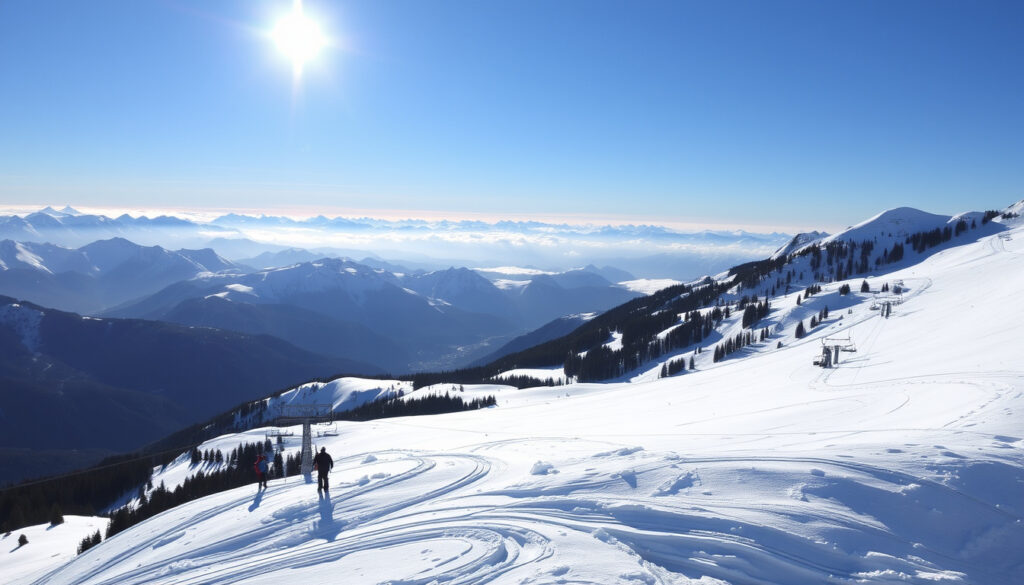
Mt Hutt Ski Field: NZ’s Top Ski Area Guide & Reviews
Mt Hutt earns its voter-favorite status among Canterbury skiers not through scale but through a rare combination of accessibility and reliable snow quality. Just 113 kilometers and roughly 90 minutes from Christchurch, this New Zealand South Island resort has claimed the top spot in national ski rankings for most of the past decade.
Slopes: 35 km · Lifts: 5 · Terrain Area: 365 hectares · Awards: NZ’s Best Ski Resort 2015-2022 · Location: Canterbury Plains, South Island
Quick snapshot
- 35 km slopes, 5 lifts, 365 hectares (OnTheSnow.com)
- Base elevation 1,597 m, highest lift 2,080 m (Mt Hutt Official)
- Voted NZ’s Best Ski Resort 2015-2022 (Mt Hutt Official)
- Current ownership details and any recent transactions
- Exact pass prices for current season (reportedly tiered by day and duration)
- Specific names of all 40 trails (sources conflict on total count)
- 113 km from Christchurch (~90 min drive) (Mt Hutt Official)
- Snowman Shuttles depart 7:00 AM from Christchurch Bus Interchange, $30 each way (Snowman Shuttles)
- 14 km unsealed access road; chains recommended (Mt Hutt Official)
The following specifications provide a complete overview of Mt Hutt’s infrastructure and location.
| Specification | Value |
|---|---|
| Location | Southern Alps, Canterbury Plains |
| Slopes | 35 km |
| Lifts | 5 |
| Terrain | 365 hectares / 902 acres |
| Trails | 40 (10 black, 15 red, 5 blue pistes) |
| Awards | NZ’s Best 2015-2022 |
| Base Elevation | 1,597 m |
| Highest Lift | 2,080 m |
| Vertical Drop | 683 m |
| Distance from Christchurch | 113 km (~90 min) |
Is Mt Hutt good for skiing?
Mt Hutt occupies a distinctive position among New Zealand ski fields: smaller than the commercial giants of Australia but consistently praised by locals and visitors for snow quality and terrain variety. The resort sits in a large glacial cirque basin that provides natural wind protection, a significant advantage when weather systems sweep across the Canterbury Plains.
Skiers and snowboarders with experience at larger Southern Hemisphere resorts often note that Mt Hutt’s 365-hectare terrain feels more intimate without sacrificing variety. According to analysis from Powderhounds (ski resort reviewers focused on Australasian destinations), the mountain delivers particularly strong intermediate and expert skiing, with “long cruisy and reasonably steep piste” options that cater to confidence-building without overwhelming beginners.
The terrain profile skews toward intermediate and advanced skiers, with half the marked pistes at red level and a third at black diamond. Beginners have dedicated infrastructure but limited progression options compared to larger resorts.
Pros and cons
Upsides
- Awards-winning snow quality and reliable snowmaking on key runs
- Glacial cirque setting provides natural wind protection
- Close proximity to Christchurch enables easy day trips
- Varied terrain from beginner-friendly blues to challenging black runs
- Smaller crowds compared to larger commercial resorts
Downsides
- Unsealed 14 km access road requires careful driving or shuttle use
- Natural snow can be unreliable in early and late season
- Smaller terrain than comparable Australian resorts
- Road closures possible during adverse weather
Reviews from skiers
Visitor feedback on platforms like TripAdvisor frequently highlights Mt Hutt’s appeal for those seeking quality over scale. Common themes in traveler reviews include appreciation for the resort’s manageable size, consistent snow quality by New Zealand standards, and the scenic backdrop of the Canterbury Plains visible from the base area. However, some reviewers note that the unsealed access road and reliance on shuttle services can complicate logistics for independent travelers without vehicles.
Compared to other NZ fields
Among New Zealand’s ski fields, Mt Hutt ranks alongside Cardrona and The Remarkables in Queenstown as among the most popular destinations. What sets Mt Hutt apart is its proximity to Christchurch—New Zealand’s largest South Island city—making it the default choice for Canterbury-based skiers. The resort’s voter-favorite status (seven consecutive years as NZ’s Best Ski Resort) reflects this strong local following, though skiers comparing fields should note that Cardrona’s larger terrain may appeal to those prioritizing acreage over accessibility.
The implication: for Christchurch residents and visitors flying into Christchurch International Airport, Mt Hutt offers unmatched convenience without sacrificing the experience that earned it its award streak.
How do I get to the MT Hutt ski field?
Accessing Mt Hutt requires navigating State Highway 77 to Methven, then continuing up a 14-kilometer unsealed access road that climbs from the Canterbury Plains into the alpine zone. The journey covers approximately 113 kilometers from Christchurch and typically takes 90 minutes by car under normal conditions.
Driving from Christchurch
The fastest route from Christchurch to Mt Hutt involves heading southwest on State Highway 77, passing through the town of Methven before turning onto the ski access road. According to journey-planning data from Rome2Rio (travel route aggregator), driving time is approximately 1 hour 35 minutes under favorable conditions. The unsealed final section demands particular attention, especially after rainfall or during the shoulder seasons when road conditions deteriorate.
Snow chains are strongly recommended, and the Mt Hutt official website advises that the access road may close during snowfalls or unsafe weather conditions. Chains can be hired at the base of the access road before ascending, which many visitors find more convenient than carrying their own. The road closure policy means that even experienced drivers should monitor conditions and have contingency plans—skiers arriving on shuttle services have the advantage of professional drivers equipped with multiple chain sets.
Ski road conditions
The 14-kilometer unsealed access road presents the most demanding segment of the journey, winding uphill through terrain that transitions rapidly from farmland to alpine conditions. Road surface reports from Skiresort.info (ski resort information platform) confirm that the road receives regular maintenance but remains vulnerable to weather-related closures. Visitors should factor this into timing decisions, particularly for early-morning arrivals when overnight freezes create icy conditions.
The Christchurch-based operator Snowman Shuttles handles this variable with professional drivers trained in alpine conditions, equipped vehicles, and multiple chain sets for different tire configurations. Their service departs Christchurch Bus Interchange at 7:00 AM, arriving at Mt Hutt between 9:00 and 9:15 AM, with the return departure at 4:00 PM and drop-offs back in Christchurch between 5:45 and 6:30 PM. Additional pickup locations at Church Corner and Rolleston serve those living outside the central city.
Shuttle options
Snowman Shuttles operates daily whenever Mt Hutt is open, providing a $30 round-trip option that eliminates driving stress, parking concerns, and chain-fitting responsibilities. The shuttle from Snowman Shuttles (Christchurch-based alpine transport operator) represents the most practical choice for visitors unfamiliar with New Zealand alpine driving or those who prefer to enjoy the scenery rather than focus on a challenging road.
For those renting vehicles in Christchurch, driving costs (fuel plus vehicle rental) can easily exceed shuttle prices, particularly when factoring in wear on the unsealed road. Independent drivers should budget $30-$50 for fuel based on journey estimates from Rome2Rio, though this figure varies significantly with vehicle type and fuel efficiency.
What this means: for visitors landing at Christchurch International Airport, combining airport pickup with a shuttle booking simplifies logistics considerably. The shuttle operates regardless of your vehicle situation, making it the default recommendation for first-time visitors.
The shuttle costs $30 each way and handles the 14 km unsealed road, chain fitting, and weather-related variables that catch many first-time visitors off guard. For Christchurch flyers, booking the shuttle eliminates three separate planning tasks at once.
Who owns Mount Hutt ski field?
Mt Hutt has operated under various ownership structures since its establishment, with the resort currently managed as part of New Zealand’s ski tourism infrastructure. The exact current ownership details remain unclear from publicly available sources, though the resort participates in industry sustainability initiatives.
Ownership history
The ski field has changed hands multiple times since opening, typically aligned with broader patterns in New Zealand’s ski resort sector where family-owned operations have been consolidated under larger commercial groups. Available public records indicate that Mt Hutt has maintained operational independence while benefiting from industry partnerships and awards recognition.
Sustainable practices
Regardless of ownership structure, Mt Hutt participates in industry sustainability initiatives that address environmental concerns specific to alpine operations. These include snow management practices that optimize artificial snow production, waste reduction programs at base facilities, and energy efficiency measures for lift infrastructure.
What remains unclear: the specific corporate structure and any recent ownership changes. Visitors concerned about sustainability credentials should direct inquiries to the resort directly or consult the New Zealand Ski Areas Association for industry-level oversight information.
Mt Hutt ski map and terrain
Mt Hutt’s terrain spreads across a glacial cirque basin with natural terrain features that shape the resort’s character. The layout offers a logical progression from gentle beginner areas near the base to challenging expert terrain at higher elevations, with intermediate runs forming the backbone of the piste network.
Trail overview
The resort maintains 30 marked pistes according to trail count data from J2Ski (ski resort database), though some sources reference approximately 40 trails total. The discrepancy may reflect different counting methodologies for terrain park features, gladed areas, and designated runs.
Piste distribution by difficulty:
J2Ski reports 10 black (expert), 15 red (intermediate), and 5 blue (beginner) pistes. This distribution reflects the resort’s strength in intermediate and advanced terrain while maintaining sufficient beginner infrastructure.
Notable runs include Long Way Home, a signature intermediate descent that winds down the mountain’s flank, and the Terrain Park area designed for freestyle progression. Main lift access points include Summit Six and Hutt Express, both high-capacity installations that minimize lift queue times during peak periods.
Elevation details
The resort spans from a base elevation of 1,597 meters to a highest lift reaching 2,080 meters, delivering a vertical drop of approximately 683 meters. According to altitude data from Mt Hutt Official (official resort website), these figures position the resort solidly within New Zealand’s mid-range for skiable terrain.
The elevation profile creates favorable conditions for snow retention, with higher runs maintaining quality later into spring than lower sections. The glacial cirque setting provides wind protection that helps preserve snow quality during Canterbury’s notoriously variable alpine weather patterns.
Beginner to advanced runs
Beginners benefit from dedicated learning areas at the base, serviced by slower lifts that allow new skiers to build confidence before progressing to intermediate terrain. The five blue runs provide sufficient variety for skill development without overwhelming novices.
Intermediate skiers find the most comprehensive selection, with 15 red runs offering everything from gentle cruisers to challenging pitches. The resort’s reputation for strong intermediate skiing (as noted by Powderhounds) reflects this terrain depth.
Advanced skiers access 10 black runs plus off-piste terrain within the cirque basin. Snow conditions on expert terrain vary significantly with weather, and visitors should check daily reports for current status before venturing beyond marked runs.
The catch: the smaller terrain compared to major Australian resorts means expert skiers may burn through all available runs in a day or two. Mt Hutt rewards repeat visits and local familiarity rather than demanding multi-day exploration.
The 683-meter vertical drop sounds modest against Australian standards but creates enough vertical for satisfying runs. The real value lies in the wind protection from the glacial basin—on days when Cardrona and The Remarkables battle whiteout conditions, Mt Hutt often keeps runs skiable.
Mt Hutt ski field reviews and weather
Visitor feedback and weather patterns provide essential context for planning Mt Hutt visits. Understanding both helps readers calibrate expectations and select optimal timing for their trip.
Recent reviews
TripAdvisor and similar platforms contain substantial visitor feedback, with common themes emerging across multiple reviews. The resort receives particular praise for snow quality relative to other New Zealand fields, efficient lift infrastructure despite the modest lift count, and the scenic setting with views across the Canterbury Plains.
Less positive feedback typically centers on the unsealed access road, variable weather conditions, and limited dining options compared to larger resorts. Early-season visitors report occasional rock exposure on runs, highlighting the importance of checking snow conditions before traveling.
Weather forecast
Mt Hutt’s Canterbury Plains location subjects it to weather systems arriving from the west and south, creating conditions that can shift rapidly within hours. Alpine weather forecasts specific to the resort are available through the MetService New Zealand website and the resort’s own snow report page.
Key weather considerations for Mt Hutt visitors:
Weather patterns in the Southern Alps create micro-conditions that differ significantly from Christchurch city weather. Skiers should check forecasts specifically for the alpine zone rather than relying on lowland projections.
Snow report
The resort issues regular snow reports during the operating season, typically from June through October. These reports detail base depth, new snowfall accumulation, wind conditions, and lift status. Current snow reports are available through the Mt Hutt Official website.
The pattern: natural snowfall at Mt Hutt can be inconsistent, making the resort’s snowmaking capacity critical for maintaining quality terrain during low-snow years. Skiers prioritizing deep powder conditions should monitor forecasts and be prepared to adjust their visit timing.
Natural snow at Mt Hutt can be inconsistent, making the resort’s snowmaking capacity critical for maintaining quality terrain during low-snow years. Skiers prioritizing deep powder conditions should monitor forecasts and be prepared to adjust their visit timing.
Visitor reviews tell a consistent story: the snow quality earns praise, the road frustrates first-timers, and the scale disappoints those coming from Australian resorts. Reading two dozen TripAdvisor reviews reveals that visitors who arrive prepared for the unsealed road and smaller terrain consistently rate their experience higher than those expecting a resort-scale operation.
How does Mt Hutt compare to other NZ ski resorts?
Three New Zealand ski resorts dominate visitor attention: Mt Hutt near Christchurch, Cardrona and The Remarkables in the Queenstown region. Each serves different market segments and geographic populations.
Here’s how the three major New Zealand ski areas stack up against each other.
| Resort | Location | Terrain (hectares) | Lifts | Best for |
|---|---|---|---|---|
| Mt Hutt | Canterbury, 113 km from Christchurch | 365 | 5 | Christchurch locals, day-trip accessibility |
| Cardrona | Queenstown region, 34 km from Wanaka | 720 | 8 | Terrain size, freestyle facilities |
| The Remarkables | Queenstown region, 28 km from Queenstown | 540 | 7 | Variety, family facilities |
The comparison reveals Mt Hutt’s position as the smallest of the three major resorts by terrain area, though the gap is narrower than visitors might expect. Where Mt Hutt differentiates itself is proximity to Christchurch—New Zealand’s largest South Island city—making it the default choice for Canterbury-based skiers and those flying into Christchurch International Airport.
Mt Hutt’s 365 hectares trails Cardrona’s 720, but the 113-kilometer proximity advantage over Queenstown-area resorts translates to roughly two hours less travel time each way. For Canterbury skiers, the terrain-size gap rarely outweighs the logistics of reaching Queenstown.
Step-by-step guide: planning your Mt Hutt visit
Step 1: Choose your transport option
- Shuttle (recommended for first-timers): Book with Snowman Shuttles departing Christchurch Bus Interchange at 7:00 AM. Cost: $30 one-way.
- Self-drive: Rent a vehicle in Christchurch, budget 90 minutes travel time, ensure snow chains are available or hire them at the ski road base.
- Fly-and-ski packages: Some operators offer combined transport and lift pass packages from Christchurch.
Step 2: Select your visit timing
- Peak season (July-August): Best snow conditions but largest crowds. Book accommodation and shuttles well in advance.
- Early season (June): Often good snow on higher terrain, thinner coverage below. Check snow report before traveling.
- Spring skiing (September-October): Longer days, warmer temperatures, variable conditions. Some visitors prefer the softer snow.
Step 3: Arrange lift passes and equipment
- Purchase lift passes through the Mt Hutt website or at the ticket office. Day passes and multi-day options are available.
- Rental equipment can be arranged in Christchurch (more selection) or at the resort base (more convenient).
- Lessons and coaching are available for all skill levels through the resort’s ski school.
Step 4: Prepare for alpine conditions
- Layer clothing for rapidly changing conditions— Canterbury weather shifts frequently.
- Pack sun protection even on overcast days— UV exposure is significant at altitude.
- Carry food and hydration; dining options at the resort are limited compared to larger facilities.
Step 5: Monitor conditions and be flexible
- Check the Mt Hutt snow report and road conditions before departing.
- Have contingency plans if conditions deteriorate— road closures can strand unprepared visitors.
- Consider the shuttle option if weather looks marginal; professional drivers and equipped vehicles reduce risk.
Mt Hutt’s accessibility from Christchurch makes it viable for spontaneous day trips, but the unsealed access road and alpine weather create variables that require respect. Visitors who prepare for conditions—checking forecasts, arranging transport, packing appropriately—consistently report better experiences than those who arrive unprepared.
“Mt Hutt is a great intermediate mountain with long cruisy and reasonably steep piste. The glacial cirque basin setting provides natural protection from the wind that can make nearby fields unpleasant during Canterbury weather events.”
— Powderhounds (New Zealand ski resort reviewers)
“Good by NZ standards, though the fields are small compared to Australia. The road up is long but manageable. Natural snow can be unreliable, but snowmaking keeps the main runs open.”
— TripAdvisor reviewer (Christchurch visitor)
Summary
Mt Hutt occupies a peculiar position in New Zealand skiing: small by international standards, consistently voted best in the country by its core constituency of Canterbury-based skiers. The resort’s 365 hectares, five lifts, and 683-meter vertical drop deliver a solid alpine experience without the logistical complexity of more remote destinations. Its proximity to Christchurch—113 kilometers and roughly 90 minutes from the city—makes it uniquely accessible for day trips, weekend excursions, and visitors flying into Christchurch International Airport.
The unsealed access road and Canterbury’s variable weather require respect and preparation, but shuttle services eliminate these concerns for those who prefer professional handling. Snow quality maintains the resort’s reputation despite inconsistent natural snowfall, thanks to robust snowmaking infrastructure. The awards streak (New Zealand’s Best Ski Resort 2015-2022) reflects genuine local loyalty rather than marketing spin.
For Christchurch residents, Mt Hutt delivers quality skiing without the commitment required by Queenstown-area resorts—making it the default choice for Canterbury skiers who want snow without the journey.
Mt Hutt’s awards streak reflects a specific constituency: Canterbury skiers who value proximity over acreage. The resort wins on accessibility and snow quality by NZ standards, but visitors expecting Australian-scale operations will notice the 365-hectare footprint. Shuttle services handle the unsealed road challenge that frustrates first-timers.
Related reading: NZ Road Code Book · Golden Bay Holiday Park
mthutt.co.nz, piste-maps.co.uk, myskimaps.com, simonjackburgess.com, mountainwatch.travel
Frequently asked questions
What is the largest ski field in NZ?
Cardrona near Wanaka is among the largest, covering approximately 720 hectares. However, “largest” depends on how terrain is measured—some fields include extensive off-piste areas that others don’t count. Mt Hutt’s 365 hectares places it in the mid-range by New Zealand standards.
Is skiing in NZ cheaper than Australia?
Generally yes for domestic travelers, particularly when factoring in flight costs to Australia versus domestic travel within New Zealand. However, comparison depends heavily on exchange rates, specific resorts being compared, and whether visitors are already in New Zealand or must factor in international flights. Australia’s major resorts (Perisher, Thredbo, Falls Creek) typically offer more terrain but at higher absolute costs.
Which is the best ski resort in New Zealand?
Mt Hutt has won theSKI NZ awards for Best Ski Resort for seven consecutive years (2015-2022), though “best” depends on individual priorities. Queenstown-area resorts offer larger terrain, while Mt Hutt excels in accessibility from Christchurch and snow quality by New Zealand standards.
What is the most popular ski field in NZ?
By visitor numbers, the Queenstown-area resorts (Cardrona, The Remarkables) likely attract more total visitors due to international tourism concentration in that region. Mt Hutt’s popularity is strong within its Canterbury catchment area, where it functions as the default choice for local skiers.
What are Mt Hutt season pass options?
Mt Hutt offers season pass options that provide unlimited access throughout the operating season. Specific pricing varies by pass type (adult, child, student, senior) and early-bird availability. Day passes are also available for those who prefer flexibility. Exact current pricing should be confirmed directly through the Mt Hutt website or ticket office.
Does Mt Hutt have beginner skiing?
Yes, Mt Hutt maintains five blue (beginner) runs near the base area, serviced by slower lifts appropriate for learning. The resort’s ski school offers lessons for all ages and ability levels. However, beginners should note that progression to intermediate terrain requires comfortable competence on steeper runs and longer distances.
What is Mt Hutt elevation range?
Mt Hutt’s base elevation is 1,597 meters, with the highest lift reaching 2,080 meters. This creates a vertical drop of approximately 683 meters. The high base elevation generally favors snow quality, though the resort still relies on snowmaking to supplement natural snowfall.
More related posts
 Who Won State of Origin 2024? NSW Blues Take Series 2-1
 300 F to C: Convert 300°F to Celsius (Oven & Air Fryer Guide)
 Is Anzac Day a Public Holiday? 2026 Status in Australia & NZ
 How to Lose Weight: Evidence-Based Tips for Safe Results
 L&P Bottle Change: Brown Bottles Go Clear in April 2026
 Pina Colada Recipe NZ: Easy 4-Ingredient Cocktail at Home
 Improper Police Protocol NZ: Rights, Complaints & 2025 Scandal