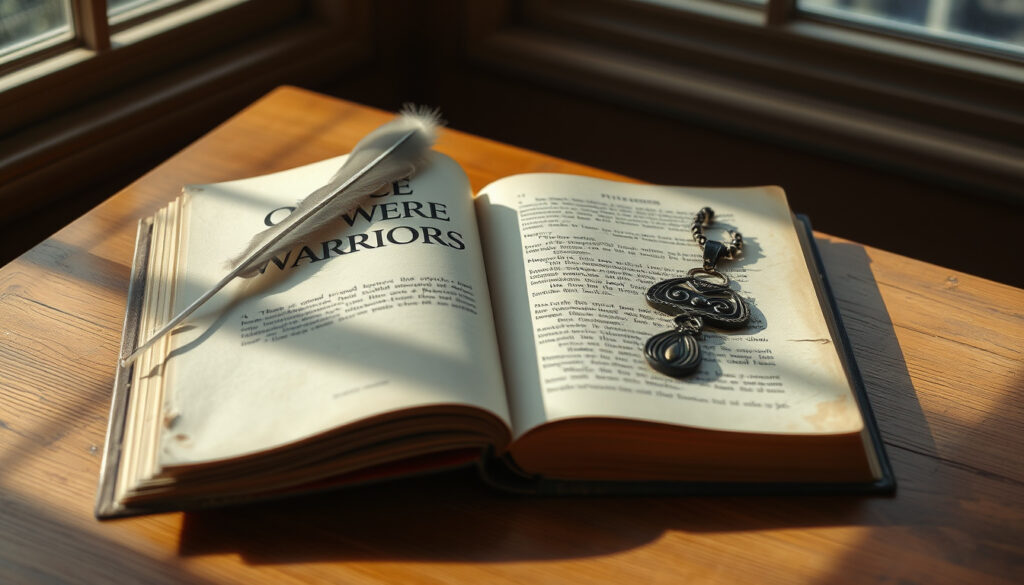
Mamaengaroa Kerr-Bell: Grace Heke Actress in Once Were Warriors
Mamaengaroa Kerr-Bell delivered one of New Zealand cinema’s most haunting performances as Grace Heke in *Once Were Warriors* — then walked away from acting. Her brief screen career, bookended by a single defining role, raises questions about the price of early fame and the weight of portraying trauma on screen.
Born: 1978 | Birthplace: Whangarei, New Zealand | Known for: Grace Heke in Once Were Warriors | Years active: 1994–2002 | Notable works: Once Were Warriors, Mataku, Shortland Street
Who is Mamaengaroa Kerr-Bell?
- New Zealand actress born in 1978 (National Library of New Zealand)
- Born in Whangarei, New Zealand (IMDb)
- Famous for playing Grace Heke in Once Were Warriors
- Active from 1994 to 2002
Career Snapshot
- Made acting debut at age 15–16 in Once Were Warriors (9 News Australia)
- Won Best Female Performance in a Supporting Role at the 1994 New Zealand Film and Television Awards (NZ On Screen)
- Won Best Actress at the 2002 TV Guide New Zealand Television Awards for Staunch (NZ On Screen)
- Also known as Mamaengaroa Pere (née Kerr-Bell) (NZ On Screen)
Screen Credits
- Once Were Warriors (1994) — Grace Heke
- Shortland Street (TV series)
- Mataku (TV series)
- Staunch (TV series)
- Duggan (TV series)
- The Last Spark (2020)
- Eternal (2018)
Current Status
- Last known screen credit: 2020 (NZ On Screen)
- Previously lived in Cairns, Queensland (9 News Australia)
- Career span: 1994–2002 (primary active period)
What is Mamaengaroa Kerr Bell known for?
Her role as Grace Heke in Once Were Warriors
Mamaengaroa Kerr-Bell is best known for portraying Grace Heke in the 1994 New Zealand film Once Were Warriors, directed by Lee Tamahori (Wikipedia). Based on Alan Duff’s 1990 novel, the film follows the Heke family navigating domestic violence, alcoholism, poverty, and urban Māori life (Netflix New Zealand). Grace Heke, the teenage daughter, retreats into her journal as her family unravels, culminating in a tragic climax (Apple TV).
“Mamaengaroa Kerr-Bell’s performance as Grace Heke remains one of the most devastating portrayals of adolescent vulnerability in New Zealand cinema.”
— NZ On Screen
Limited but impactful acting career
Kerr-Bell was active as an actress from 1994 to 2002. Her filmography includes Mataku, Shortland Street, Staunch, and Duggan (Wikipedia). She won Best Female Performance in a Supporting Role at the 1994 New Zealand Film and Television Awards for Once Were Warriors and Best Actress at the 2002 TV Guide New Zealand Television Awards for Staunch (NZ On Screen).
The pattern: Kerr-Bell’s career mirrors the trajectory of many actors who deliver a singular, career-defining performance early — then consciously step back. The industry impact of Once Were Warriors may have been a difficult standard to follow.
How old was Grace in Once Were Warriors?
Character age vs actress age
The character Grace Heke is depicted as a young teenager, though the film does not specify her exact age (Apple TV). Actress Mamaengaroa Kerr-Bell was 16 when the film was released in 1994, as she was born in 1978 (National Library of New Zealand). A 9 News Australia report noted she was 15 at the time of filming and had never acted before (9 News Australia).
Mamaengaroa Kerr-Bell’s age at time of filming
According to the National Library of New Zealand, Kerr-Bell was born in 1978 (National Library of New Zealand). This places her age at approximately 15–16 during the filming and release of Once Were Warriors. The Wikipedia biography adds that she was discovered by casting director Don Selwyn while accompanying a friend to auditions (Wikipedia).
The catch: Mamaengaroa Kerr-Bell’s performance as Grace Heke carries an authenticity that comes from being close in age to the character — a teenage girl caught in a cycle of violence she couldn’t escape.
Who played Grace in Once Were Warriors?
Mamaengaroa Kerr-Bell’s casting
Mamaengaroa Kerr-Bell portrayed Grace Heke in Once Were Warriors. The National Library of New Zealand confirms her starring role (National Library of New Zealand). Wikipedia notes she was discovered while accompanying a friend to auditions and had never acted before being asked to read for the role (Wikipedia). Her performance immediately impressed Rena Owen and Temuera Morrison, who played her character’s parents (Wikipedia).
“She was a teenage acting novice when cast as Grace Heke, and her raw, natural talent brought a devastating honesty to the role.”
— 9 News Australia
Her performance impact
Kerr-Bell’s performance was critically acclaimed and remains her most recognized role (NZ On Screen). The film’s Netflix New Zealand listing includes her in the cast (Netflix New Zealand).
The industry response to Kerr-Bell’s debut — winning multiple awards — suggests that her acting was not merely competent but extraordinary, especially considering her lack of formal training.
Why is he called Jake the Muss?
Origin of the nickname
The character Jake Heke, played by Temuera Morrison, is nicknamed “Jake the Muss” in the film Once Were Warriors. The nickname reflects his reputation for violence and aggression, serving as a central element of the character’s identity. The exact origin of the nickname within the film’s narrative is not provided in available sources, but it is consistently used by other characters to reference his intimidating presence (Wikipedia).
Significance
The nickname underscores the film’s themes of masculinity and violence. Jake Heke’s self-image as “the Muss” — slang for “the muscle” — contrasts sharply with the destructive reality of his domestic abuse, which shapes Grace Heke’s tragic storyline (Apple TV).
The irony at the heart of the nickname: Jake Heke sees himself as a strong man, but his violence destroys what he claims to protect — including his daughter Grace, played by Kerr-Bell.
Is “Once Were Warriors” a true story?
Based on Alan Duff’s novel
Once Were Warriors is a fictional film based on the 1990 novel of the same name by Alan Duff (Wikipedia). The story does not depict a specific true story or real individuals.
Fictional but inspired by real social issues
The film reflects real social issues facing Māori communities in New Zealand, including domestic violence, alcoholism, and poverty (Netflix New Zealand). Alan Duff drew on broader social observations rather than a single true account. Grace Heke’s character, while fictional, resonated deeply with audiences because of the systemic issues the film addressed (Apple TV).
Timeline
| Date/Period | Event | Source |
|---|---|---|
| 1978 | Born in Whangarei, New Zealand | National Library of New Zealand |
| 1994 | Cast as Grace Heke in Once Were Warriors; film released | National Library of New Zealand |
| 1994 | Won Best Female Performance in a Supporting Role at NZ Film and Television Awards | NZ On Screen |
| 1994–2002 | Active in acting, appearing in Shortland Street, Mataku, Staunch, Duggan | NZ On Screen |
| 2002 | Won Best Actress at TV Guide NZ Television Awards for Staunch | NZ On Screen |
| 2018 | Appeared in Eternal | NZ On Screen |
| 2020 | Last known screen credit: The Last Spark | NZ On Screen |
The implication: Kerr-Bell’s screen appearances cluster in two distinct periods — her early career (1994–2002) and two isolated credits much later (2018, 2020) — suggesting acting was not a continuous focus.
Snapshot Facts
| Attribute | Value | Source |
|---|---|---|
| Full Name | Mamaengaroa Kerr-Bell | National Library of New Zealand |
| Also Known As | Mamaengaroa Pere (née Kerr-Bell) | NZ On Screen |
| Date of Birth | 1978 | National Library of New Zealand |
| Place of Birth | Whangarei, New Zealand | IMDb |
| Nationality | New Zealand | NZ On Screen |
| Years Active | 1994–2002 | Wikipedia |
| Notable Role | Grace Heke in Once Were Warriors | National Library of New Zealand |
Confirmed Facts
- Born in 1978 (National Library of New Zealand)
- Born in Whangarei, New Zealand (IMDb)
- Played Grace Heke in Once Were Warriors (National Library of New Zealand)
- Years active: 1994–2002 (Wikipedia)
- Appeared in Once Were Warriors, Mataku, Shortland Street, Staunch, Duggan, Eternal, The Last Spark (NZ On Screen)
- Won Best Female Performance in a Supporting Role in 1994 (NZ On Screen)
- Won Best Actress in 2002 for Staunch (NZ On Screen)
Unclear Information
- Current occupation: unknown
- Ethnicity: not confirmed by official sources (IMDb lists no ethnicity data)
- Parents: not identified in reliable sources
- Social media presence: no verified Instagram or Twitter accounts; some Facebook profiles exist but unverified
- Why she stopped acting after 2002: not explained in available sources
The unknowns surrounding Kerr-Bell’s life after acting outnumber the knowns — a pattern consistent with an actor who deliberately chose privacy over public life.
oncewerewarriors.fandom.com, imdb.com, moviemeter.nl, imdb.com
Frequently Asked Questions
Where was Mamaengaroa Kerr-Bell born?
She was born in Whangarei, New Zealand, in 1978 (IMDb).
When did she start acting?
She started acting in 1994 when she was cast in Once Were Warriors at approximately 15–16 years old (9 News Australia).
What other TV shows has she appeared in?
She appeared in Shortland Street, Mataku, Staunch, and Duggan (NZ On Screen).
Is she still acting?
Her last known screen credit was in 2020 (The Last Spark), but her primary active period ended around 2002 (NZ On Screen).
Does she have any children?
Available sources do not confirm whether Mamaengaroa Kerr-Bell has children.
Why did she leave acting?
No reliable source explains why Kerr-Bell stopped acting after 2002. This remains an open question.
What is Mamaengaroa Kerr-Bell’s birth name?
Her birth name is Mamaengaroa Kerr-Bell. She is also known as Mamaengaroa Pere (NZ On Screen).
What ethnicity is Mamaengaroa Kerr-Bell?
Official sources do not specify her ethnicity, though her association with Māori-focused projects suggests Māori heritage.
Does Mamaengaroa Kerr-Bell have an Instagram account?
No verified Instagram account has been identified in reliable sources.
Related Reading
- Te Ika-a-Māui: Meaning, Story, and Cultural Significance — Māori cultural context related to the themes in Once Were Warriors
- Ki o Rahi Field: Rules, Positions, Equipment & Dimensions Guide — Traditional Māori sport
More related posts
 Cast of Runaway Vacation 2006: Full Actors & Characters
 What to Eat When You Have Diarrhoea: BRAT Diet & More
 Auckland FC vs Newcastle Jets Lineups: Confirmed XIs, Team News and 1-3 Result
 Noel Leeming New Lynn: Store Guide, Hours, Phone & Products
 M&S UK: Complete Guide to Shopping, Discounts and Comparisons
 Where to Find Cheap Textbooks: Best Sites and Saving Tips
 Fortnite Item Shop Today: Current Items & Reset Times