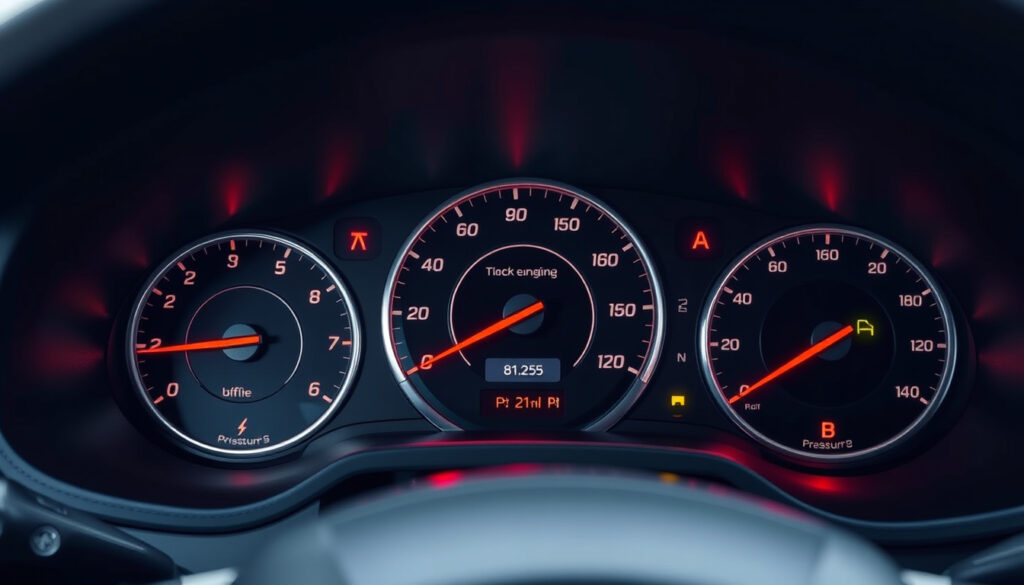
Car Dashboard Symbols and Meanings: Complete Guide (with Pictures)
Driving down the road and that little glowing symbol on your dashboard appears — it’s a moment that makes most drivers pause. Knowing what each icon means can save you time, money, and a lot of worry.
Dashboard warning light colors: Red, amber/yellow, green, blue ·
Most common warning light: Check Engine light (amber engine symbol) ·
Most serious warning light: Red brake system warning or red coolant temperature warning ·
Number of dashboard symbols in typical car: Over 60 distinct symbols ·
Vehicles on road with warning light on (est.): 1 in 10 cars has at least one warning light illuminated
Quick snapshot
- Red warning lights require immediate stop (The AA (breakdown experts)).
- Check Engine light is the most common warning light (Car and Driver (automotive publication)).
- Brake system warning light indicates a critical problem (RAC Drive (roadside assistance experts)).
- Coolant temperature warning light means engine overheating (Sullivan Tire (auto service professionals)).
- Color-coded warning system (red/amber/green) has been used by manufacturers like Mazda and Volkswagen for decades (Mazda USA (official manufacturer); Volkswagen (official manufacturer)).
- If a warning light appears, consult your owner’s manual for specific guidance (RAC Drive).
The table below summarizes the key facts about dashboard warning light colors and meanings.
| Label | Value |
|---|---|
| Number of dashboard symbols in modern car | 60+ typical |
| Red light meaning | Stop immediately; potential safety hazard or mechanical failure |
| Amber light meaning | Caution; schedule service or check soon |
| Green/blue light meaning | System active or function engaged |
| Most common warning light reported | Check Engine light |
What are the icons on my dashboard?
Color coding of dashboard symbols
Dashboard symbols follow a traffic-light color system. RAC Drive (roadside assistance experts) explains that red warning lights indicate a serious problem that may require stopping the car immediately. Amber/yellow lights mean you should investigate or arrange a repair soon. Mazda USA (official manufacturer) adds that yellow or amber lights usually indicate a minor warning variance, while red or flashing lights are more urgent. Green and blue lights are informational — for example, headlights or cruise control active.
The color system is consistent across most brands, but exact meanings can vary by vehicle. Always check your owner’s manual for the definitive interpretation.
Where to find the symbol legend in your owner’s manual
Every car comes with a printed or digital owner’s manual that includes a complete list of dashboard symbols and their meanings. Mopar (official Chrysler/Jeep/Dodge owner resource) describes these symbols as warning or indicator lights that illuminate to signify various vehicle conditions. Manuals often have a quick-reference section near the beginning. If you’ve lost your paper manual, most manufacturers offer PDF versions on their websites, often searchable by model year.
Dashboard icons are standardized across the auto industry, but slight design differences mean you should always confirm with your manual — especially for less common symbols.
The pattern: The color coding system gives you immediate urgency: red means stop, amber means caution, green/blue means information. This system is used by nearly all manufacturers.
TL;DR: Dashboard symbols are grouped by color: red (stop immediately), amber (service soon), green/blue (active functions). Your owner’s manual is the definitive reference for your specific car.
What are the most common car warning symbols?
Check Engine light
The Check Engine light — an amber engine outline — is the most frequently seen warning. Car and Driver (automotive publication) lists it as one of the most common dashboard warning lights. A solid light means schedule service soon; a flashing light indicates a misfire or catalytic converter issue that needs immediate attention. AutoZone (auto parts retailer with repair expertise) points out that many warning lights indicate a fault has occurred but don’t pinpoint the exact failed item.
Action: If solid, book a diagnostic scan within a week. If flashing, reduce speed and head to a garage immediately.
Battery warning light
A red or amber battery symbol means the charging system isn’t working properly — usually the alternator or battery itself. The battery warning light is a common indicator. You may still have enough charge to get to a shop, but the risk of stalling increases.
Brake system warning light
This red exclamation mark inside a circle (or (BRAKE) text) can mean the parking brake is engaged, brake fluid is low, or brake pads are worn. Red warning lights usually indicate a serious problem that may require stopping the car. If the light stays on with the parking brake released, have the system inspected immediately.
Oil pressure warning light
A red oil can symbol with a drip means engine oil pressure is dangerously low. MotorTrend (automotive magazine) lists the engine oil warning among common lights. This requires stopping the engine as soon as it’s safe — continued driving can destroy the engine.
Coolant temperature warning light
A red thermometer symbol or “TEMP” light signals the engine is overheating. Sullivan Tire (auto service professionals) identifies this as indicating the engine may be overheating. Pull over, turn off the engine, and allow it to cool before checking coolant levels.
The five most common warning lights — check engine, battery, brake, oil, coolant — cover the majority of dashboard alerts. Ignoring any of them can lead to costly repairs or unsafe driving conditions.
The takeaway: These five lights account for the bulk of dashboard alerts. Addressing them early can prevent breakdowns and expensive repairs.
What is the most serious warning light in a car?
Red brake system warning light
The red brake warning light is critical because it can indicate brake failure risk. Red warning lights mean immediate action is needed. If this light comes on with the parking brake released, do not drive the car — have it towed.
Red coolant temperature warning light
When the red coolant temperature light glows, it warns of imminent engine damage from overheating. Red lights usually indicate a serious problem. Stop the engine and let it cool before checking.
Red oil pressure warning light
Low oil pressure can seize the engine in minutes. Stop the engine immediately and call for roadside assistance.
The pattern: All three red warnings — brake, coolant, oil — require an immediate stop. They are not advisory; they are emergency signals.
Even if the light goes out after restarting, the underlying fault may remain. A single red warning should always be diagnosed before further driving.
What this means: Red dashboard lights are not negotiable — they demand an immediate stop. Ignoring them risks catastrophic mechanical failure or safety incidents.
What do yellow car warning lights mean?
Check Engine light (amber)
The amber Check Engine light is the most common yellow warning. Amber lights often mean something needs checking by a garage soon. A stable amber light means schedule service; a flashing one requires immediate attention.
Tire Pressure Monitoring System (TPMS) light
A yellow cross-section of a tire with an exclamation mark means tire pressure is too low. Volkswagen (official manufacturer) says this light illuminates when tire pressure is too low, and a flashing version indicates a TPMS malfunction. Inflate tires to the recommended pressure and reset the system.
Traction control light
This yellow symbol (a car with wavy lines) indicates the traction control system is actively intervening or has a fault. MotorTrend lists traction or stability control among common lights. If it stays on solid, the system may be disabled — drive carefully on slippery surfaces.
ABS warning light
The yellow ABS light (letters “ABS” inside a circle) means the anti-lock braking system has a fault. Brakes still work, but ABS functionality is lost, increasing stopping distances in slippery conditions.
Service reminder light
Some cars show a yellow spanner or “SERVICE” light to indicate routine maintenance is due. This is informational — schedule an appointment soon.
What this means: Yellow lights are not emergencies, but they should not be ignored. A quick check today can prevent a breakdown tomorrow.
TL;DR: Yellow warning lights (check engine, TPMS, traction control, ABS, service) signal conditions that need attention soon but not immediately. Schedule a diagnostic or repair promptly.
What are 5 dashboard lights that need attention or repair?
Check Engine light (solid or flashing)
Solid indicates a fault in the engine or emissions system. Flashing signals a more urgent problem such as a misfire. This is one of the most common lights requiring repair.
Battery charging system light
A red battery symbol means the alternator or battery is failing. If ignored, the car may stall and leave you stranded. MotorTrend includes battery warning in its common lights list.
Brake warning light
This red light demands immediate inspection. Red lights need immediate action. Low brake fluid or worn pads are typical causes.
Oil pressure warning light
Stop the engine immediately when this red light appears. Red lights indicate a serious problem — oil pressure loss can wreck the engine.
Coolant temperature warning light
Overheating can cause head gasket failure. Sullivan Tire warns that this light means the engine may be overheating — pull over and switch off.
The trade-off: These five lights account for the majority of repair visits. Addressing them early can save hundreds of dollars in repairs.
What do car dashboard symbols with names look like?
Engine symbol (check engine)
An outline of an engine block — usually amber — is the universal check engine icon.
Battery symbol
A rectangular battery with plus and minus terminals — red or amber.
Oil can symbol (oil pressure)
An old-fashioned oil can with a drip — red and very recognizable.
Thermometer symbol (coolant temperature)
A thermometer submerged in wavy liquid — red means overheating.
Tire symbol with exclamation (TPMS)
A cross-section of a tire with an exclamation mark — amber.
These icons are consistent across brands but may have minor styling differences. Compare them with your owner’s manual to be sure.
What to Do When a Warning Light Comes On
When a dashboard light appears, quick action prevents bigger problems. Follow these steps based on the color of the light.
- Identify the color of the warning light.
- Stop immediately if it’s red; schedule service soon if it’s amber; ignore if it’s green/blue.
- Consult your owner’s manual for vehicle-specific guidance.
- If unsure or if multiple lights appear, call roadside assistance.
- Red light — stop immediately. Pull over safely, turn off the engine, and check the owner’s manual. If you’re unsure, call roadside assistance. Do not continue driving.
- Amber/yellow light — schedule service soon. Reduce speed and avoid sharp maneuvers. If the light is steady, you can usually drive to a garage. If it’s flashing (especially check engine), reduce speed and head to a repair shop.
- Green/blue light — no action needed. These are informational (e.g., high beams, cruise control). No repair required.
- Multiple lights at once — serious electrical or mechanical failure. Pull over and turn off the engine. This could indicate a major fault like a failed alternator or a computer error.
For commercial vehicles, understanding these symbols is part of fleet safety — if you need Commercial Car Insurance NZ, staying on top of warning lights can help you avoid claims. And for those financing a car, unexpected repairs can stress a budget — our Low Interest Car Finance Ireland article covers how to plan for maintenance costs.
Confirmed Facts and What Remains Unclear
Confirmed facts
- Red warning lights require immediate stop. (The AA)
- Check Engine light is the most common warning light. (Car and Driver)
- Brake system warning light indicates a critical problem. (RAC Drive)
- Coolant temperature warning light means engine overheating. (Sullivan Tire)
What’s unclear
- Exact symbol design can vary by manufacturer (though standard iconography exists). (RAC Drive)
- Specific repair cost for each warning light depends on vehicle make and model.
- The exact threshold for when an amber light becomes urgent can vary by manufacturer.
The distinction: While the core meanings of red, amber, and green are universal, the precise design and urgency levels may differ between brands. Always default to your owner’s manual for final word.
Expert Perspectives on Dashboard Warning Lights
“Red warning lights usually indicate a serious problem that may require stopping the car.”
RAC Drive (roadside assistance experts)
“Red warning lights mean immediate action is needed.”
“The check engine light is one of the most common dashboard warning lights.”
Car and Driver (automotive publication)
For drivers, the message from every expert is the same: red means stop, amber means schedule service, and any persistent light deserves attention. The difference between a quick fix and a major repair often comes down to acting on these signals quickly.
For a more detailed breakdown of each symbol, see this complete guide to dashboard warnings from National Affairs.
Frequently asked questions
Why is my check engine light on after refueling?
A loose or missing gas cap is a common cause. Tighten the cap and drive for a few days — the light may turn off on its own. If it persists, have the system checked.
Can I drive with the tire pressure light on?
Yes, but only to inflate the tires. Low tire pressure affects handling and fuel economy. Inflate to the recommended pressure shown on the door jamb sticker.
What does it mean when dashboard lights flicker?
Flickering often indicates a weak battery or loose alternator connection. It can also be a failing electrical component. Have the charging system tested.
How do I reset a dashboard warning light after repair?
Some lights reset automatically after the issue is fixed and the car is driven for a few cycles. Others require a diagnostic tool. Consult your owner’s manual or a mechanic.
Are dashboard warning lights the same for all car brands?
Most symbols are standardized (e.g., red oil can, amber engine symbol), but manufacturers may use slightly different icons. Always cross-check with your owner’s manual.
What should I do if multiple warning lights come on at once?
This often signals a major electrical issue like a failed alternator or a computer problem. Pull over safely and turn off the engine. Call roadside assistance.
More related posts
 2 Fast 2 Furious: Cast, Cars, and Why Vin Diesel Is Missing
 When to Plant Potatoes in New Zealand: Best Months & Tips
 Gene Hackman Cause of Death: Heart Disease and Hantavirus
 Southern Cross Pet Insurance Claim: Step-by-Step Guide & Reviews
 45 USD to NZD: Convert 45 US Dollars to New Zealand Dollars Today
 What Is the 6-7 Meme? Meaning, Origin, Hand Gesture Explained
 How Long Does Panadol Take to Kick In? Onset & Dosage Guide
 Matariki E Ara E: Lyrics, Meaning & Translation Guide