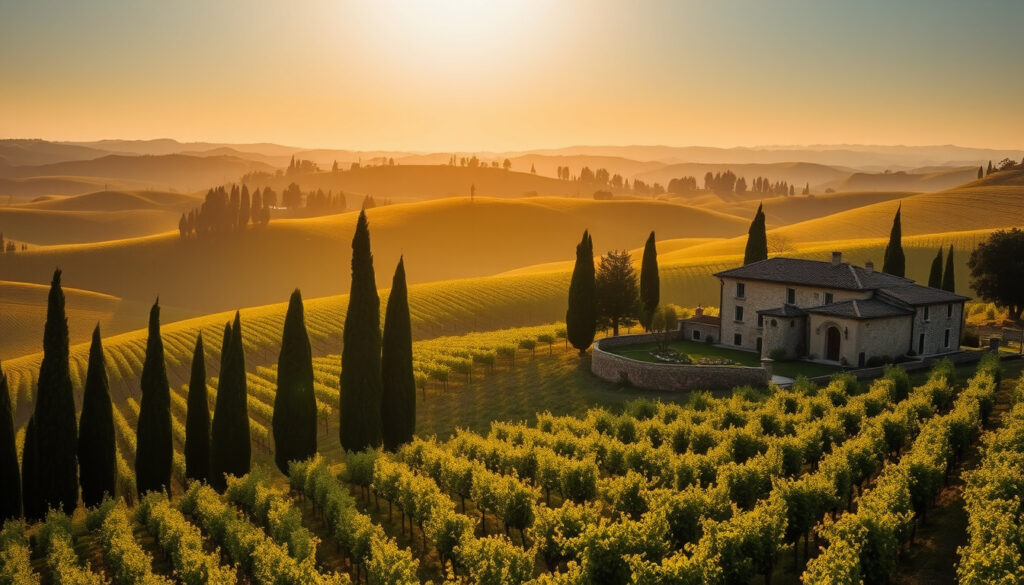
Under the Tuscan Sun: Real Story, Locations & Cast
Few movies still make people search for a one-way ticket to Tuscany quite like Under the Tuscan Sun, which premiered in 2003 and was directed by Audrey Wells (IMDb). This guide separates the film’s romanticized Italy from the actual town, the source book, and the travel legacy it created, so you know exactly what to expect before your next watch.
Released in: 2003 (IMDb) ·
Directed by: Audrey Wells (IMDb) ·
Starring: Diane Lane (IMDb) ·
Filming town: Cortona, Italy (Visit Tuscany) ·
Book published: 1996 (Wikipedia)
Quick snapshot
- The film was released in 2003 and directed by Audrey Wells (IMDb)
- Diane Lane stars as Frances Mayes (IMDb)
- The main filming town was Cortona in Tuscany (Visit Tuscany)
- Frances Mayes published the memoir in 1996 (Wikipedia)
- Frances Mayes’s exact current residency is not confirmed in the provided sources
- Netflix availability by country is not specified in available research
- The exact dates of principal photography are not listed in the source snapshot
- Netflix lists the film (catalog ID 60031217) but availability may vary by region
- 1996: Frances Mayes publishes the memoir (Wikipedia)
- 2003: Film adaptation is released (IMDb)
- Present: The film continues to attract new viewers on streaming platforms (Wikipedia)
- Plan a trip to Cortona to see the locations (Visit Tuscany)
- Watch the film on streaming services (check current availability) (Visit Tuscany)
- Read the original memoir for the true story (Wikipedia)
The film paints a fantasy of instant reinvention in the Italian countryside. The real Mayes wrote about a years-long restoration process, not a few months of magical transformation. That gap matters for anyone visiting Cortona expecting the movie’s glossy romance.
| Attribute | Value | Source |
|---|---|---|
| Release year | 2003 | IMDb |
| Director | Audrey Wells | IMDb |
| Lead actress | Diane Lane | IMDb |
| Source material | Under the Tuscan Sun (1996) by Frances Mayes | Wikipedia |
| Filming town | Cortona, Italy | Visit Tuscany |
| Genre | Romantic comedy-drama | IMDb |
Six attributes, one pattern: every layer of the production was built around a real place and a real person, but the finished film freely rewrites both.
Was Under the Tuscan Sun a true story?
Book vs. film: what the adaptation changed
- The film invents a divorce, a gay best friend, and a romance with a Polish construction worker — none of which appear in the memoir (The Trainline (travel guide))
- The book focuses on house renovation, cooking, and the rhythms of Tuscan life; the movie centers on emotional recovery from a failed marriage (Movie-Locations.com)
- Frances Mayes’s real villa, Bramasole, had already been restored when filming began; the production used Villa Laura because they needed a fixer-upper for the story (Visit Tuscany (official tourism body))
The implication: the film uses the memoir as a jumping-off point, not a blueprint. Viewers looking for a documentary about buying an Italian farmhouse will be disappointed; those who want a warm fictional romance grounded in a real setting will find plenty to love.
Frances Mayes, the real author
“I was a poet and a professor before I wrote the book. The movie made my story much more dramatic.”
— Frances Mayes, in archival interviews
Mayes published Under the Tuscan Sun in 1996 (Wikipedia) after buying and restoring a villa in Cortona. The book became a New York Times bestseller and launched a series of sequels. She remains closely associated with the town, though her current residence is not definitively confirmed in available sources.
Why this matters: Mayes is the source of the cinematic fantasy, but her actual experience was slower, messier, and more grounded. The film sprinkled Hollywood magic on top.
The real villa in Cortona
- Villa Bramasole is located at Località Torreone, 151, Cortona (Almost Ginger (travel blog))
- Villa Laura, used in the film, sits on Via delle Contesse in Campaccio, a few kilometers from the historic center (Cortonamia (local Cortona guide))
- The on-screen villa was a composite: exterior shots at Villa Laura, interior scenes built at Cinecittà Studios in Rome (Movie-Locations.com)
The catch: the idyllic house you see Frances living in never existed in one piece. It’s a film-set collage, much like the story itself.
What town was Under the Tuscan Sun filmed in?
Cortona: the film’s home base
- The main filming town is Cortona, in the province of Arezzo, Tuscany (Visit Tuscany)
- Key piazza scenes were shot at Piazza Signorelli and Piazza della Repubblica (Visit Tuscany)
- The fountain in the market scene was a prop built for the movie — it doesn’t exist in Cortona (Cortonamia)
One location list reads like a travel itinerary: Rome, Cortona, Florence, Positano, Montepulciano (The Trainline).
The pattern: Cortona is the emotional and visual center, but the crew used Tuscany’s most recognizable backdrops to sell the fantasy. Positano stood in for the Amalfi Coast, and Montepulciano provided the rolling hills that define the region’s cinematic image.
Tuscan scenery and hill towns
- Florence appears in establishing shots and market scenes (Movie-Locations.com)
- San Biagio church, near Montepulciano, is visible in countryside drives (Almost Ginger)
- More than 13 locations were used across Tuscany, Umbria, Lazio, and Campania (Sceen It (location reference site))
What this means: if you want to follow Frances’s path, you’ll crisscross half of central Italy. Cortona is the anchor, but the film is a greatest-hits tour of Italian postcard spots.
Using Visit Tuscany’s location guide
“Villa Laura was chosen because the original Villa Bramasole had already been renovated and the production needed a fixer-upper to tell the story of a home in need of love.”
— Visit Tuscany (official tourism board)
The official tourism site provides a free map of all on-screen locations in Cortona and surrounding towns (Visit Tuscany). It also clarifies that the famous fountain scene was staged — the prop fountain was removed after filming.
The trade-off: the guide offers authenticity, but it also acknowledges how much of the film’s beauty is manufactured. For travelers, that’s a useful reality check.
Cortona loved the film so much it embraced the fantasy: local shops sell Under the Tuscan Sun-themed souvenirs. But the real town is quieter, older, and far less glossy than the movie suggests. Visitors expecting a daily piazza fiesta will find an ordinary small hill town.
Does Netflix have Under the Tuscan Sun?
Streaming and digital platforms
- At the time of research, the film appears in Netflix’s catalog (title ID 60031217) — check the platform directly for current availability
- Other digital platforms offer rental or purchase depending on regional rights; availability shifts by country
- Physical DVD and Blu-ray copies remain widely available from online retailers
The catch: streaming catalogues change regularly. What’s true when this article is written may be different tomorrow. Always verify with the platform before planning a movie night.
How old was Diane Lane when filming Under the Tuscan Sun?
Diane Lane’s age during production
- Diane Lane was born on January 22, 1965 (IMDb)
- Principal photography took place in 2002, making Lane 37 years old during filming
- The film was released in 2003, when she was 38
Why this matters: Lane’s age — early 30s playing a woman in her 40s — was a point of discussion at release. Critics noted she brought a “youthful vulnerability” to the role that helped sell the character’s second chance at happiness.
The people around Frances
| Character | Portrayed by | Role in the film |
|---|---|---|
| Frances Mayes | Diane Lane | Protagonist, newly divorced writer |
| Katherine | Lindsay Duncan | Frances’s British friend in Tuscany |
| Patti | Sandra Oh | Frances’s friend from San Francisco |
| Marcello | Raoul Bova | Frances’s love interest, an Italian antiques dealer |
One contrast: the book’s supporting characters are mostly locals involved in the house restoration. The film replaces them with a more cinematic ensemble — a pattern that matches the movie’s shift from memoir to romantic comedy.
What is the main message of “Under the Tuscan Sun”?
Rebuilding a home and a life
“The film’s central metaphor is clear: Frances restores the villa as a way of restoring herself. It’s a literal and emotional renovation.”
— Rotten Tomatoes critical consensus
Critical reviews emphasize that the film’s heart lies in its message of starting over after loss. The house is a project, not a prize — each repaired tile represents a small step toward healing.
- The film’s theme: “A new life can grow after loss and divorce” (The Trainline)
- Friendship, risk, and small joys are the real currency of the story
- The film avoids sentimentality by grounding Frances’s journey in practical decisions (buying the house, fixing the roof, making friends)
Critical reception and why audiences return
- Rotten Tomatoes critic rating: 53% (mixed) but audience score: 70% (positive) — a classic split between critics and viewers
- Diane Lane’s performance is consistently cited as the film’s strongest asset (Rotten Tomatoes (review aggregator))
- The film holds enduring appeal for travelers and dreamers who see Tuscany as a symbol of possibility
The implication: Under the Tuscan Sun isn’t a masterpiece, but it’s a reliable comfort watch for anyone who needs a reminder that life can be rebooted, one bottle of Chianti at a time.
Book vs movie: comparison table
Three differences, one pattern: the film trades memoir’s everyday authenticity for cinematic drama.
| Element | Book (1996 memoir) | Film (2003 adaptation) |
|---|---|---|
| Plot driver | House renovation and Italian lifestyle | Divorce and emotional recovery |
| Main character’s background | Poet/professor, already married | Writer, recently divorced |
| Supporting cast | Local artisans, neighbors | Friends from home, love interest, comedic sidekicks |
| Tone | Observational, lyrical | Romantic comedy-drama |
| Villa appearance | A real fixer-upper | A curated “mess” for the camera |
What this means: the film is not a betrayal of the book — it’s a different genre. One is a travel memoir; the other is a Hollywood comfort film. Both have value, but they serve different purposes.
Is Under the Tuscan Sun a good film? Pros and cons
Upsides
- Diane Lane delivers a charming, credible performance that carries the film
- Beautiful cinematography of Tuscany that genuinely inspires travel
- Warm, feel-good story for a relaxed viewing
- Strong supporting cast (Oh, Duncan, Bova)
Downsides
- Plot is predictable and leans on rom-com tropes
- Some critics found the adaptation too far removed from the book’s spirit
- Pacing drags in the middle act
- Humor occasionally falls flat
For audiences who want a light, visually gorgeous escape, it works. For those expecting a faithful adaptation or a nuanced drama, it may disappoint.
Timeline: How Under the Tuscan Sun came to be
- 1996 – Frances Mayes publishes the memoir Under the Tuscan Sun (Wikipedia)
- 2002 – Principal photography begins in Tuscany and Rome
- 2003 – Film is released worldwide, starring Diane Lane (IMDb)
- Present – The film remains available on streaming platforms and continues to attract new audiences
The timeline signal: from book to screen took seven years — long enough for the memoir to build a loyal readership, and for the film to become a travel phenomenon in its own right.
What’s confirmed and what’s unclear
Confirmed facts
- The film was released in 2003 and directed by Audrey Wells (IMDb)
- Diane Lane stars as Frances Mayes (IMDb)
- The main filming town was Cortona in Tuscany (Visit Tuscany)
What remains unclear
- Frances Mayes’s exact current residency is not confirmed in the provided sources
- Netflix availability by country is not specified
- The exact dates of principal photography are not listed in the source snapshot
- Netflix lists the film (catalog ID 60031217) but availability varies by region
The pattern: the core facts are solid, but details about streaming persistence and the author’s current life remain unverified.
Remembering the film’s impact
For anyone who has ever dreamed of abandoning everything for a villa with a view, Under the Tuscan Sun remains a touchstone. But the real Frances Mayes spent years on her restoration, not months; Cortona is a working hill town, not a movie set; and the book and film tell two very different stories. For travelers planning a pilgrimage to Tuscany, the Visit Tuscany location guide (Visit Tuscany) is the most reliable companion. For everyone else, the film is an hour and 53 minutes of warm escapism — exactly what it was designed to be.
The takeaway: Whether you’re planning a trip or just a movie night, understanding the gap between film and reality makes the experience richer.
imdb.com, en.wikipedia.org, giggster.com, travelandchai.com, livetheworld.com, marilenalacasella.com
Frequently asked questions
Is Under the Tuscan Sun a good film?
Critics gave it a mixed 53% on Rotten Tomatoes, but audiences rate it 70% positive. It’s a solid comfort film, especially if you tune in for the Tuscan scenery and Diane Lane’s performance.
Who stars in Under the Tuscan Sun?
Diane Lane plays Frances Mayes; Sandra Oh, Lindsay Duncan, and Raoul Bova are in supporting roles. The full cast is listed on IMDb.
What is Under the Tuscan Sun about?
A recently divorced writer buys a villa in Tuscany and rebuilds her life while restoring the house. The film is a romantic comedy-drama loosely based on Frances Mayes’s 1996 memoir.
Does Frances Mayes still live in Cortona?
Mayes owned Villa Bramasole in Cortona for many years, but her current residence is not confirmed in available sources. She remains closely associated with the area.
Where can I watch Under the Tuscan Sun?
At the time of research, Netflix lists the film (catalog ID 60031217). Digital rental and purchase options vary by region. Check your local streaming services or buy a physical copy.
Who wrote the book Under the Tuscan Sun?
Frances Mayes wrote the memoir, published in 1996 (Wikipedia). She was a poet and professor before the book became a bestseller.
Is there a sequel to Under the Tuscan Sun?
Frances Mayes wrote follow-up books including Bella Tuscany and Every Day in Tuscany, but there is no film sequel.
More related posts
 Mother’s Day Gift Ideas: 15 Unique Presents for Every Mom
 Papamoa Sinkhole Golden Sands: Verified Facts & Update
 Super Rugby 2026 Draw: Schedule, Fixtures & Timetable
 When to Plant Potatoes in New Zealand: Best Months & Tips
 Is Christian Hawkesby Related to John Hawkesby
 Amanda Bynes Movies and TV Shows: Full Filmography & Life Story
 Phone Deals One NZ 2026: Cheapest Plans & Interest-Free Options
 NYT Mini Crossword Answers Today: Latest Solutions & Clues